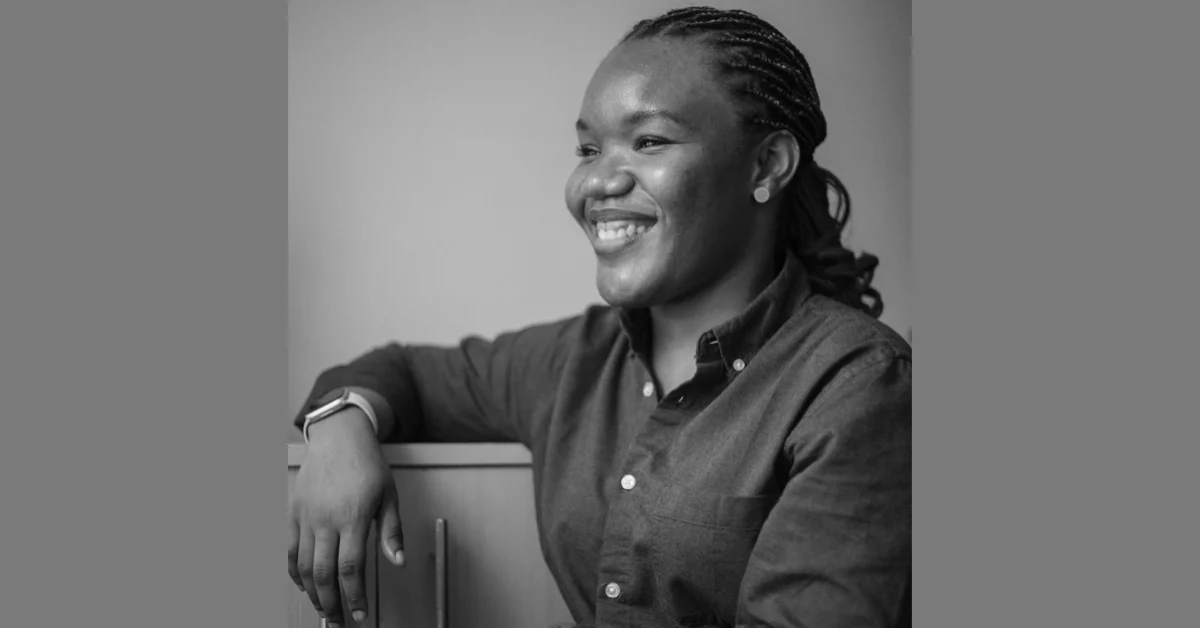
Stephanie Ohumu established Ubini in 2024 to create a digital corpus of Edo language and cultural heritage, a project born from the loss of her grandmother in 2023. The Edo language, spoken by approximately 2 million people across seven local government areas in southwestern Nigeria, lacks the digital resources required for modern artificial intelligence systems. According to TechCabal, Ohumu realized that without reliable digital material, languages like Edo risk being poorly represented in AI models, leading to inaccurate translations and the erosion of cultural knowledge that exists only in the memories of older generations.
The company is currently building its archive by interviewing individuals over the age of 70 who speak Edo as their primary language. To date, Ubini has recorded more than 20 hours of conversations and transcribed them manually. The team focuses on capturing everyday speech, ceremonial language, and specific cultural knowledge such as recipes and ingredient histories. Ohumu told TechCabal that she attributes errors in existing AI models partly to the limited Edo material available online. Current large language models often produce convincing but nonsensical outputs, such as translating "download" as "D-A-N-L-O-D," a phonetic approximation that lacks linguistic accuracy.
Transcription presents a significant hurdle because Edo is a tonal language where markings determine meaning, and few people possess fluency in written Edo. Automated tools have proven insufficient, requiring the team to rely on manual transcription and quality assurance by University of Benin professors. Ohumu noted that a previous state government initiative to train young people in writing Edo was discontinued, leaving a gap in the pipeline of proficient writers. The team is now seeking to train more transcribers to handle the volume of data required for their goals.
Ubini’s immediate target is to collect 50 hours of audio by December 2026, with a long-term aim of building a 250-hour corpus by 2029. The data will be organized into XML files containing speaker turns, transcriptions, and translations. Beyond AI training, Ohumu views the archive as a repository of media intellectual property. The project has already produced "Mia Mia," a documentary about an 85-year-old Edo speaker, which has premiered at festivals in Germany, Tunisia, and Nigeria. Ohumu plans to license the data for revenue while developing media products, seeking patient capital to expand the team and improve transcription quality without pressure for immediate returns.