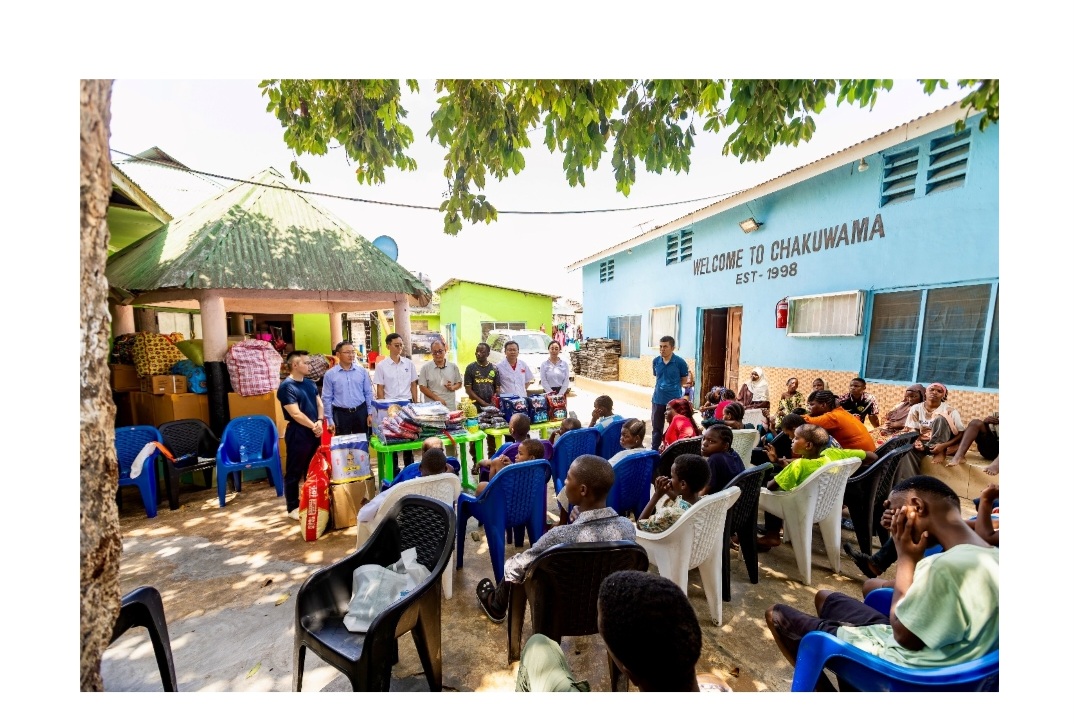
Huawei Tanzania has initiated a program to provide digital learning opportunities to children at the CHAKUWAMA Orphanage Centre in Dar es Salaam, according to Daily News. This effort is part of a broader strategy to ensure that Tanzania’s digital transformation includes vulnerable populations who might otherwise be excluded from technological advancements. The initiative draws inspiration from Huawei’s existing Digitruck program, which delivers digital skills training to communities along the TAZARA Railway corridor.
Vincent Wen, the Programme Director for Huawei Tanzania, stated that the company’s engagement with the orphanage reflects a belief that technology should create opportunities for everyone, regardless of social or economic circumstances. He emphasized that every child deserves the chance to learn and acquire skills necessary for the digital economy. The goal is not merely to provide access to devices but to stimulate curiosity and build confidence among the children. Wen noted that the experience gained from the Digitruck initiative reinforced the importance of bringing training directly to underserved communities rather than expecting them to travel for access.
The consular official of the Chinese Embassy to Tanzania, Mr. Chu Kun, supported the initiative, arguing that meaningful community support must extend beyond single visits or donations. He highlighted that lasting benefits depend on the continued use of provided resources. During the visit, the Chinese Embassy invited members of the Chinese enterprises association and a China medical team to provide learning materials, daily necessities, and basic health check-ups for the students. Mr. Chu Kun acknowledged that equipment alone cannot guarantee meaningful learning, noting that children require guidance, supervision, and appropriate content to use technology productively and safely.
The consular official also pointed to the long history of cooperation between China and Tanzania, citing the TAZARA Railway as a prominent example. He suggested that this partnership could now extend to digital technology, education, and human capital development. By combining the strengths of Chinese companies, infrastructure developers, and government agencies, it is possible to expand digital learning facilities in underserved areas. The initiative aims to help create an environment where a child’s background does not determine their access to knowledge and opportunity, investing in the next generation of innovators and professionals for Tanzania’s future.