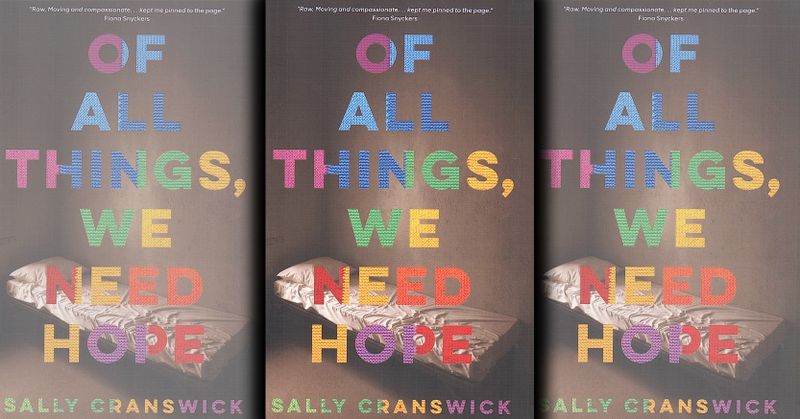
Daily Maverick’s Joy Watson has published a dual review of two recent novels, contrasting a story of profound loss with a satirical look at retail management. The review, published on Wednesday, examines Sally Cranswick’s Of All Things, We Need Hope and Kazumasa Hayami’s How Can My Manager Be So Stupid?, translated by Haydn Trowell. Watson positions these works as essential reading for the end of the year, describing one as a book that breaks the heart and the other as one that mends it through humor.
Cranswick’s novel focuses on Heather, a mother who begins cooking meals for Smith, the young man who killed her eighteen-year-old son. Watson notes that the narrative does not dwell on the murder itself but rather on the decades-long aftermath. Heather’s grief is depicted as an all-consuming force that disrupts her marriage, her friendships, and her daily life. Her husband grieves differently, choosing to keep living, which creates tension in their relationship. The review highlights the meticulous care with which Cranswick draws the evolving relationship between Heather and Smith, moving from initial hostility to a softened dynamic over time. Watson praises the author’s ability to show how pressure arrives slowly, mirroring the reality of grief.
In contrast, Hayami’s novel offers a workplace comedy set in the Musashino Bookshop in Tokyo. The protagonist, Kyoko Tanihara, loves books but is frustrated by difficult customers, modest wages, and a manager she considers an idiot. Watson describes the shop as a small, bickering family held together by a shared obsession with literature. The narrative includes a mystery thread involving an anonymous, popular Japanese novelist hiding within the story. Watson found the social interactions relatable, noting that the humor stems from the universal experience of dealing with incompetent bosses. However, she also expressed reservations about the leisurely pace and certain cultural nuances that did not fully land for a South African reader.
Watson concludes that both books are engaging despite their differences. She describes Cranswick’s ending as assured and thought-provoking, asking readers to reconsider previous scenes. For Hayami’s work, she recommends it for anyone who loves bookshops and the people who work in them, calling it a warm and generous novel. The review serves as a guide for readers seeking either emotional depth or light entertainment in their holiday reading.