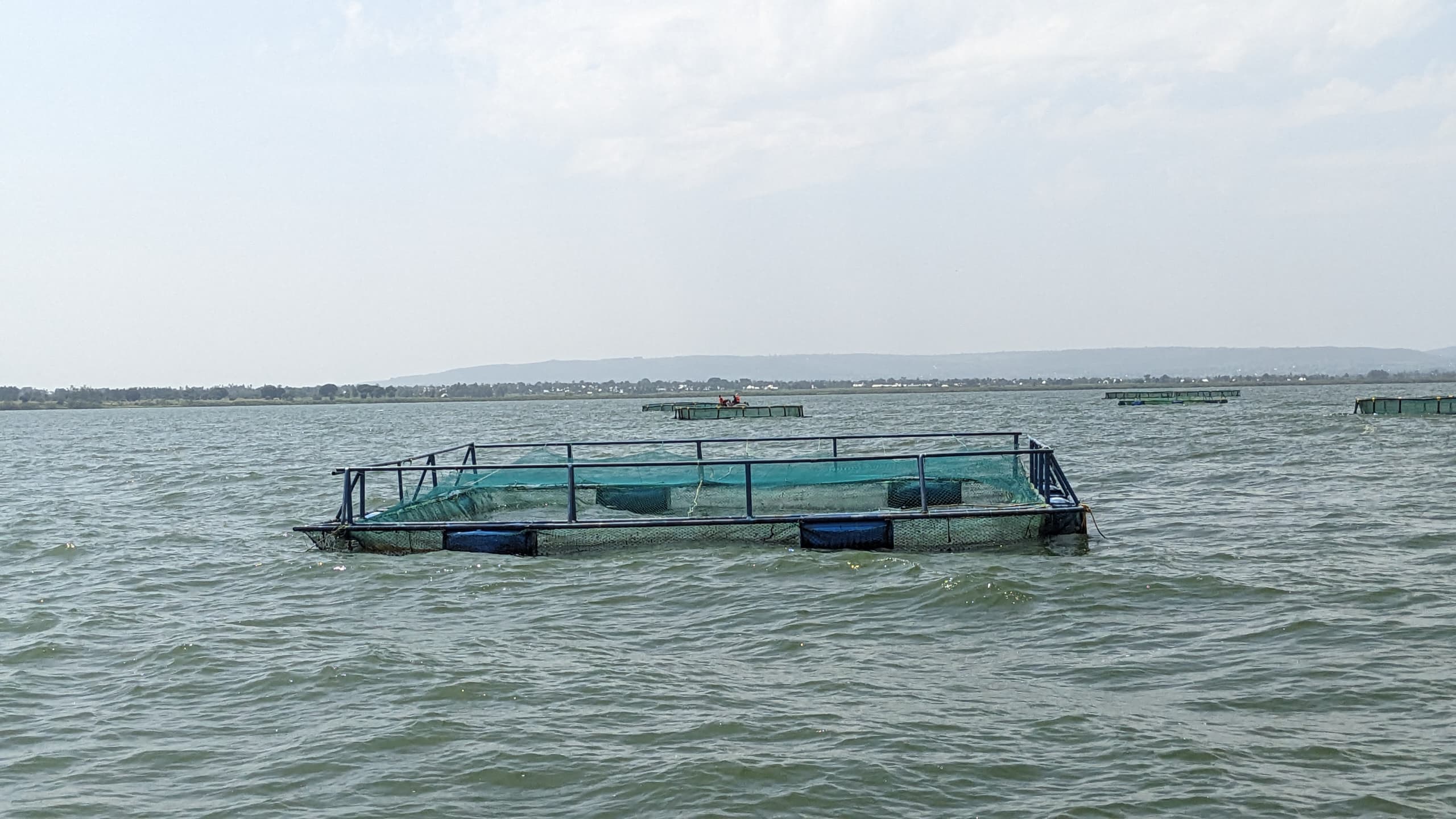
Tanzania’s fishing industry is shifting toward cage fish farming around Lake Victoria, driven by consumer demand and government empowerment efforts. This development gained prominence after Nyamagana Member of Parliament John Nzilanyingi raised questions during recent parliamentary sessions about support for fishing populations. According to Daily News, the inquiry prompted stakeholders to highlight the sector’s economic potential and current interventions.
The Fisheries Education and Training Agency (FETA) Nyegezi Campus has increased its monthly fingerling production capacity from 70,000 to two million units. Daily News reported that campus director Jimmy Masumbuko attributed this expansion to demand from cage operators, noting that Tanzania’s population growth has intensified the need for protein. Masumbuko stated that the agency is targeting a monthly output of at least 10 million fingerlings to address shortages that have driven up costs for small-scale farmers.
Government financing has played a central role in this expansion, particularly through youth empowerment programmes. Deputy Minister for Livestock and Fisheries Ng’wasi Kamani explained that the ministry is collaborating with various offices to provide affordable loans to fishing groups. She noted that the first phase of these initiatives supported 917 projects worth 5.89 billion shillings nationwide, with eight projects in Mwanza City Council receiving 74 million shillings. Additionally, the Build a Better Tomorrow programme allocated 9 billion shillings to the Lake Zone, enabling 80 beneficiaries in Mwanza to operate 80 fish cages stocked with over 11,000 fingerlings each.
Despite these investments, challenges remain for small-scale operators. Daily News reported that Mwanza Regional Senior Fishing Officer Titus Kilo identified shortages of healthy fingerlings and the high cost of imported feed as primary constraints. Kilo noted that when commercial feed becomes unavailable, some farmers resort to alternative materials, which can affect fish growth and harvest quality. The cost of constructing cages using imported materials such as nets and HDPE pipes further burdens smaller investors who lack the financial capacity to compete with larger entities.
Stakeholders believe that addressing these input costs and improving fingerling quality will be essential for sustaining the sector’s growth. The combination of increased production capacity, targeted government loans, and the natural replenishment of fish stocks beneath cages offers a pathway for long-term economic stability in the region, provided that management and supply chain issues are resolved.