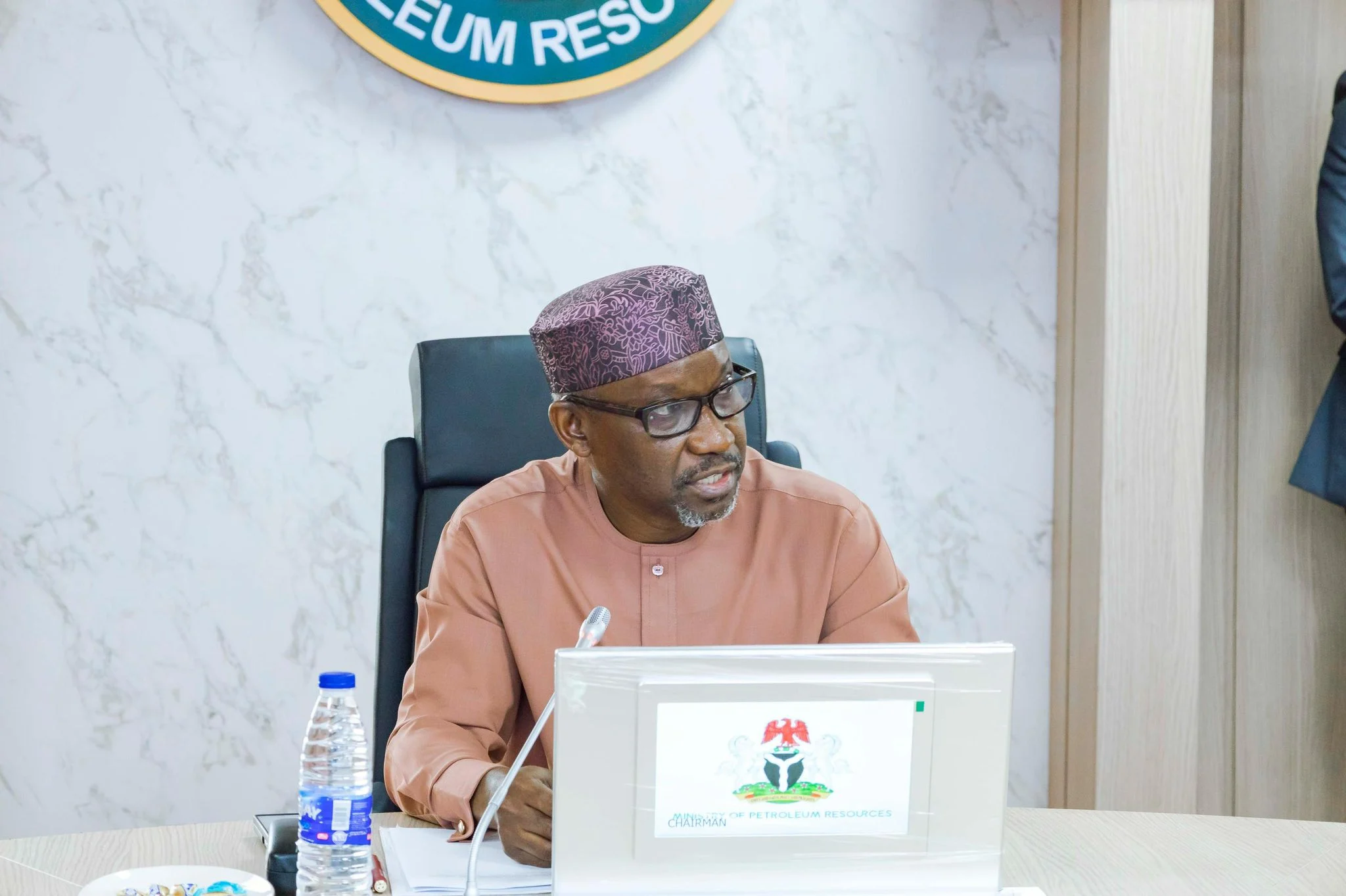
The Nigerian federal government officially launched three gas processing sites in Kano state, according to Nairametrics. The infrastructure, which processes liquefied natural gas into compressed form, was built by Rolling Energy with financial backing from a dedicated midstream fund. Ekperikpe Ekpo, the Minister of State for Petroleum Resources, oversaw the inauguration on Tuesday. The project aims to expand domestic energy access by creating direct retail outlets for consumers.
The development includes a major distribution hub in the Dawakin Kudu area, capable of handling 300,000 standard cubic metres of gas daily. This site features storage and regasification units designed to supply smaller satellite stations. A second, smaller facility in the Tarauni area was also opened, adding 21,000 cubic metres of daily processing power. Both locations include retail stations intended to bring fuel closer to end users, reducing the distance consumers must travel to refuel.
Oluwole Adama, head of the funding agency, explained that the new plants can service 2,500 cars and tricycles each day. He noted that the infrastructure also accommodates 200 trucks, reducing wait times for commercial drivers. Adama highlighted the significant cost advantage of compressed natural gas, noting that the energy content costs roughly N600 compared to N1,420 for a litre of petrol. This price difference represents a substantial saving for transport operators in the region.
Mubarak Danbatta, CEO of Rolling Energy, described the project as part of a larger integrated energy ecosystem. The company plans to develop ten additional gas stations and eight power generation facilities. The broader network will span four states, including Kano, Kaduna, Borno, and Abuja, creating a comprehensive transportation and supply chain. This expansion is part of a national strategy to utilize Nigeria's vast gas reserves more effectively.
The fund currently supports around 200 similar projects across the country, according to Adama. These initiatives aim to address a reported $20 billion annual gap in gas infrastructure. By improving supply reliability and maintenance, the government seeks to make natural gas a viable alternative for households and businesses, thereby stimulating economic activity in the transport and industrial sectors.