The Federal Government of Nigeria activated a 1-megawatt solar mini-grid in the Balanga district of Gombe State on Saturday. This facility, which features a 2.4-megawatt-hour battery storage system, serves approximately 6,028 connections, according to Nairametrics. The event also marked the start of construction for four new sites in Dukku, Bajoga, Kumo, and Kaltungo, adding 16 megawatts of interconnected capacity to the regional grid.
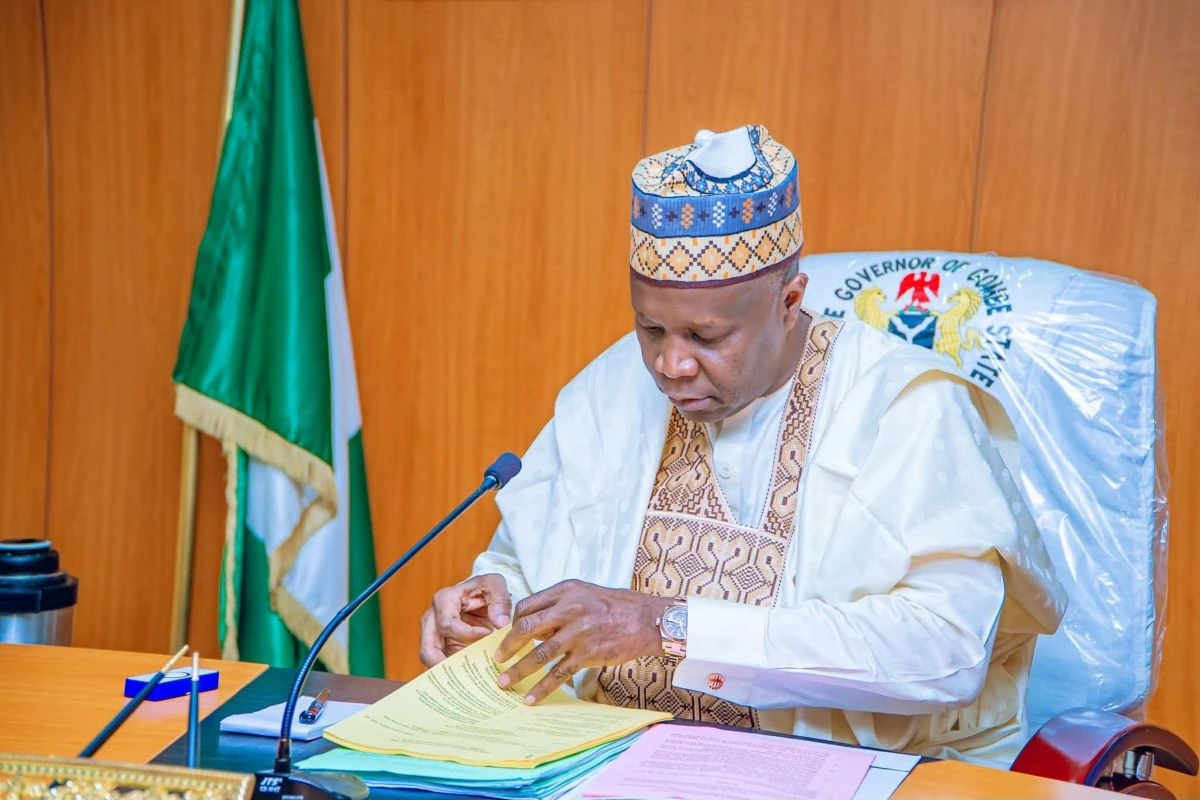
Premium Times noted that residents of Tallasse had been isolated from the national transmission network for over 17 years. Governor Muhammadu Inuwa Yahaya stated that work began in November 2025, with completion achieved in under a year. He indicated that the state intends to deploy another 4 megawatts of solar capacity in Akko, Funakaye, and other areas, while projects in Filiya and Gelengu are nearly finished.
Abba Aliyu, head of the Rural Electrification Agency, explained that the agency is prioritizing economic impact over simple connection counts. The installation includes electric tricycles, rice mills, and oil processing units to support local agro-processing. Aliyu argued that combining storage with productive tools creates sustainable energy ecosystems, rather than just adding generation capacity.
Power Minister Joseph Tegbe linked the project to the administration’s Renewed Hope Agenda, which seeks to broaden economic access. He warned the community to guard the new assets against theft and vandalism, noting that steady power would boost local commerce. Tegbe pointed to similar renewable initiatives in Oyo and Kwara states as proof of the federal push to extend grid reach.
These steps fit a broader national strategy to mix distributed renewables with traditional grid growth. In September, a 3.3-megawatt hybrid system was activated at a university in Abuja. Earlier, the REA noted that domestic solar panel production capacity had risen to 300 megawatts, with a 3.7-gigawatt pipeline currently in the planning phase.