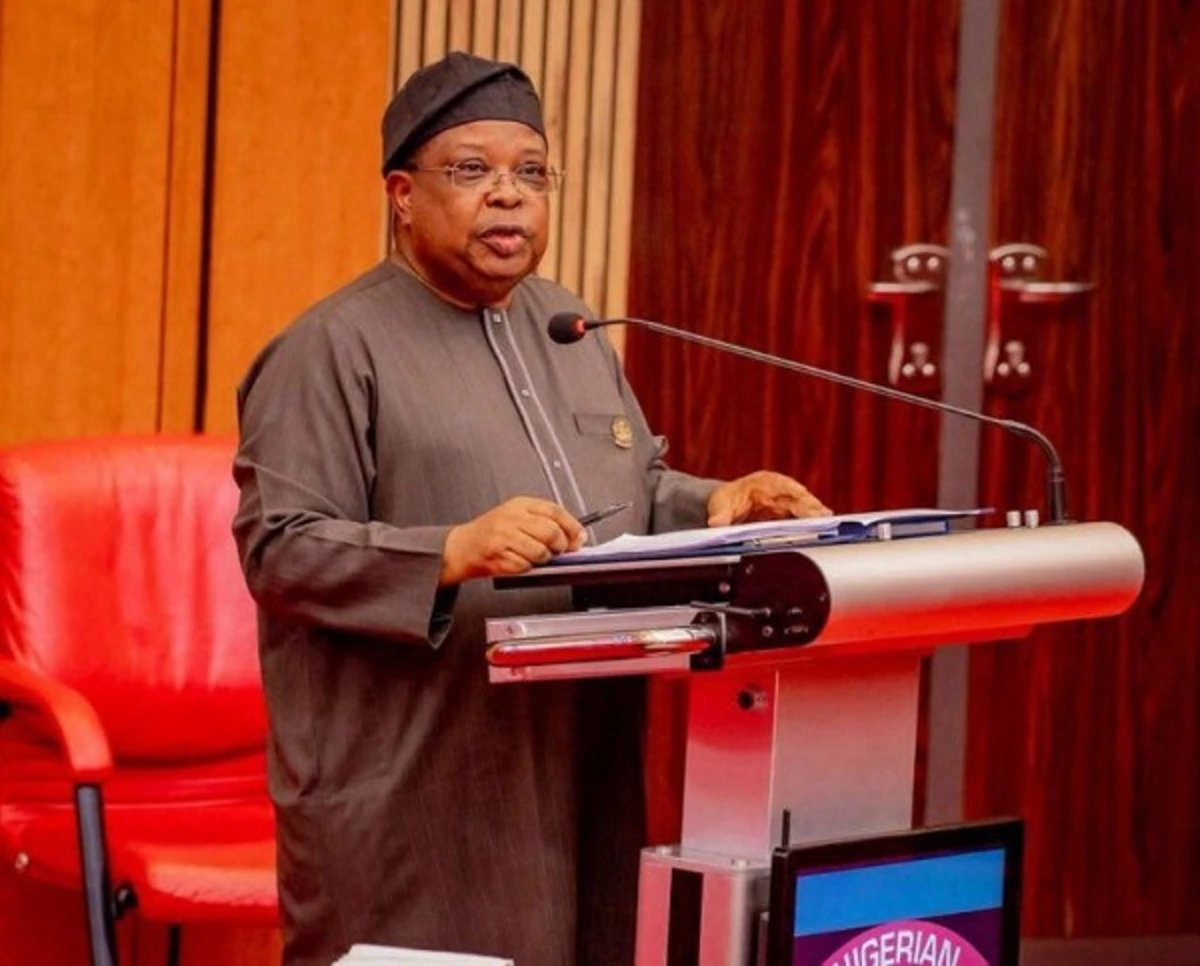
The Nigerian federal executive has sanctioned a $2 billion investment for a new East-West Super Grid, according to Nairametrics. Power Minister Olasunkanmi Tegbe revealed this decision in a Monday statement, as reported by the News Agency of Nigeria. The project will add at least 19,000 megawatts of transmission capacity, complementing the existing national network rather than replacing it. The new infrastructure is designed to improve electricity distribution across the country.
The proposed line will connect Funtua, Gwagwalada, Ikot-Ekpene, Benin, Epe, and Ilorin. Nairametrics notes that the project is scheduled for completion within 18 to 24 months. Tegbe indicated that procurement had already begun after presidential sign-off. This expansion follows a technical audit that identified flaws in towers, insulators, and conductors across various corridors. The findings will guide the replacement of critical equipment in the coming months, with the Oshogbo-Ikeja West line prioritized for restoration to add 400 megawatts to the Lagos complex.
Financial challenges for generation companies remain a focus. The ministry reported that the state has settled N1.23 trillion of a N3.3 trillion debt to these firms, leaving a N2 trillion gap. This shortfall has limited their ability to pay gas suppliers. The administration plans to clear the remaining balance in 2027 to improve cash flow. Additionally, underutilized plants in the Niger Delta, which have over 3,000 megawatts of installed capacity but only supply about 400 megawatts, are seen as opportunities to increase output.
The Electricity Act 2023, signed by President Bola Tinubu in June 2023, underpins these reforms. It enables state governments and private entities to engage in generation, transmission, and distribution. Lagos, Ogun, Abia, and Enugu are among the states exploring independent power markets. The law also allows direct supply arrangements between generators and consumers. Nairametrics reports that the federal leadership anticipates increased private involvement in transmission over the next few years, following reforms that attracted $2 billion in investment by March 2026.