In Ruhita village within Tanzania’s Kigoma Region, 40-year-old mother of eight Yusita Buhagwa watched her family’s livelihood vanish under floodwaters. According to the Daily News, the heavy rains destroyed the maize and beans she and her husband had cultivated on their one-hectare farm. The loss eliminated the food supply and income needed for household expenses and children’s education, leaving the couple to rebuild on a different plot of land.
The incident illustrates a broader crisis affecting rural communities across the region. Unpredictable weather patterns, including intense floods and prolonged dry spells, are disrupting traditional planting and harvesting cycles. Bayaga Lukas, the Kigoma Regional Disaster Risk Reduction Officer, told the Daily News that these shifting patterns make it increasingly difficult for families to plan ahead or protect their crops from sudden environmental shocks.
To address these vulnerabilities, UN Women launched an initiative in 2026 in partnership with the Government of Tanzania and local partners, with financial support from the Government of Japan. The program focuses on strengthening gender-responsive disaster preparedness and climate resilience. It seeks to ensure that women, who bear significant responsibilities for household food security, are actively involved in shaping community responses to climate risks rather than merely being recognized as victims.
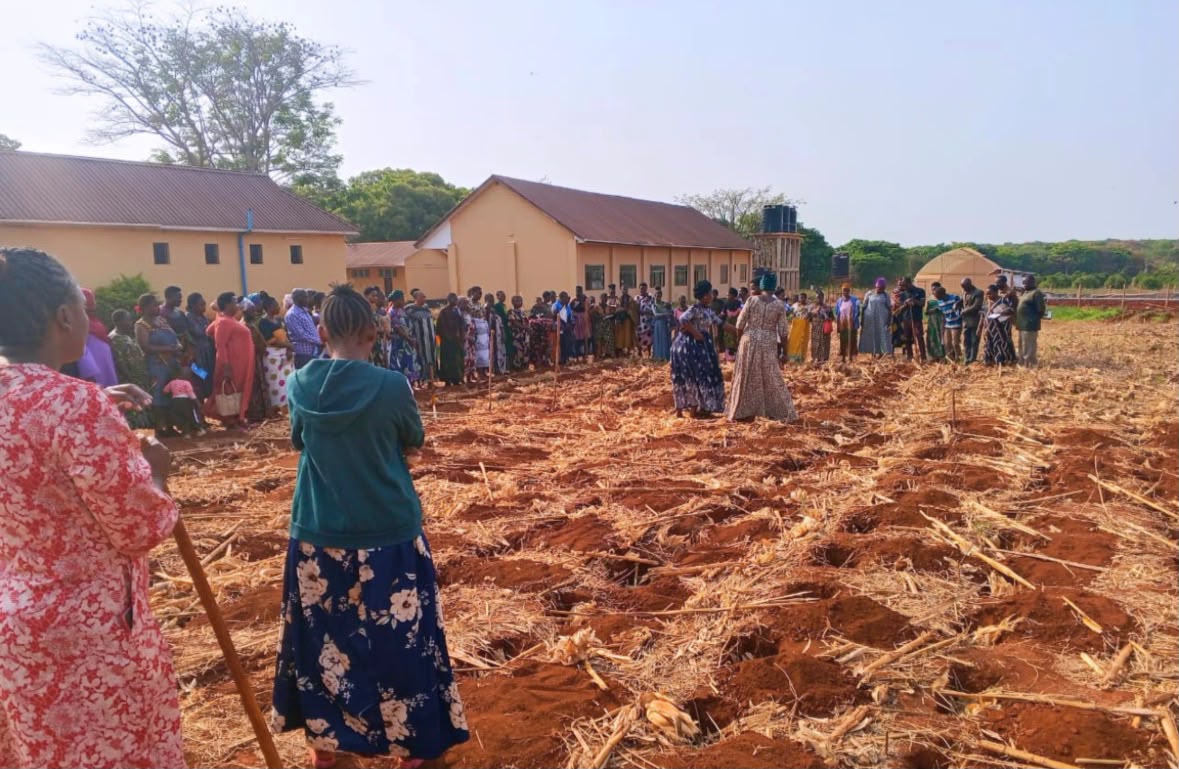
The initiative collaborates with the Ministry of Agriculture Training Institute Mubondo in Kasulu District to deliver practical education. More than 700 farmers have participated in the program, receiving instruction in sustainable farming techniques, soil and water conservation, postharvest management, and community disaster preparedness. Mr. Lukas emphasized that providing early warning information is insufficient; participants must also learn to interpret this data and take concrete actions to safeguard their livelihoods.
Ms. Buhagwa noted that the training has fundamentally changed her approach to farming. She stated that the education taught her to take steps beforehand to reduce risks, rather than waiting for disasters to occur. This shift from reactive recovery to proactive preparation has given her and her husband renewed confidence as they prepare for the next planting season, aiming to secure their family’s future against an increasingly volatile climate.