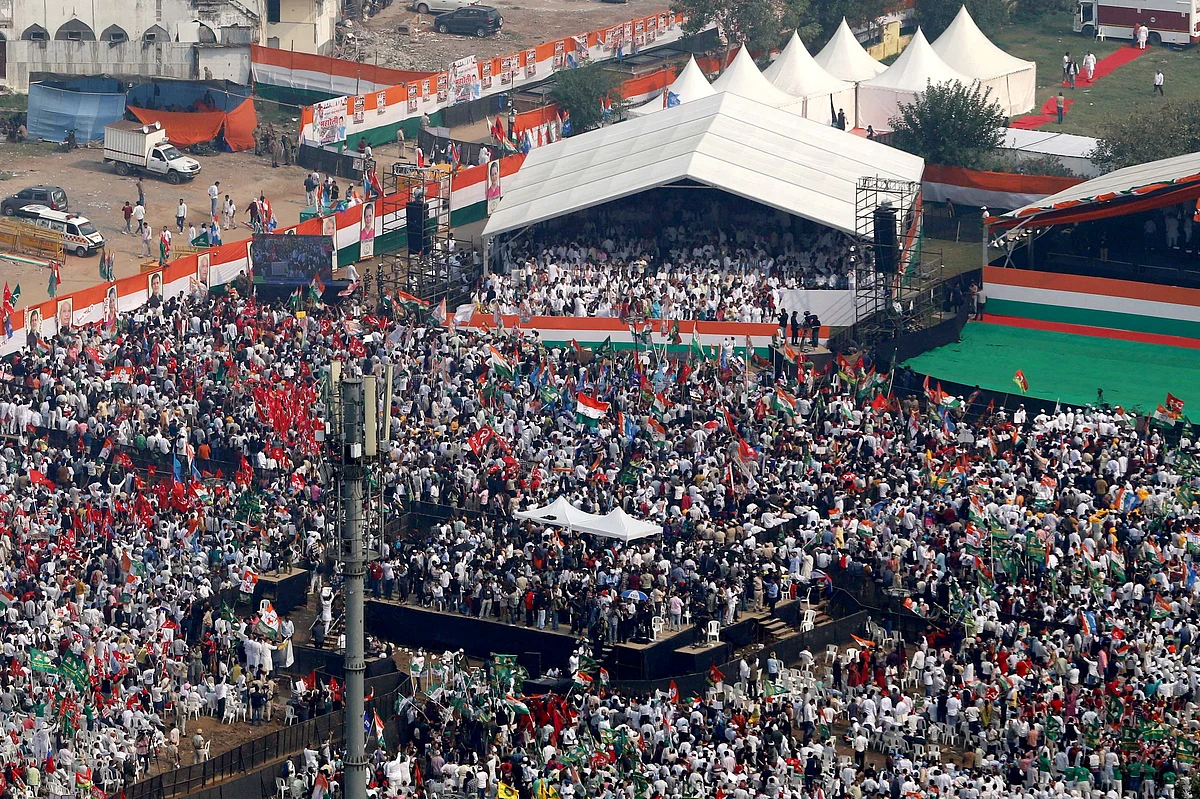
India’s election authority is confronting severe criticism as it processes a massive verification of roughly one billion voters, a campaign that opposition groups accuse of systematic manipulation. A September investigation by the Indian Express alleged that the Election Commission of India harbored internal divisions regarding registration procedures, suggesting the outcomes benefit Prime Minister Narendra Modi’s Bharatiya Janata Party. The commission and the ruling party have rejected these accusations, asserting that their actions remain lawful and impartial. This drive, initiated last year in Bihar, has expanded to cover most states, resulting in the removal of approximately 130 million names from initial draft lists. Those excluded must now provide proof of eligibility to regain voting rights, a process critics argue is designed to disenfranchise specific demographics.
The controversy deepened after the Indian Express reported that two senior commissioners raised objections to Chief Election Commissioner Gyanesh Kumar at least fourteen times over ten months. The commission stated that differing views within the body are normal and do not indicate bias. Meanwhile, the Supreme Court has questioned the automation of eligibility notices, with local media noting that some letters appeared machine-generated without human review. In Bihar, data indicates that 6.5 million voters were struck from rolls during the initial revision. Opposition leaders, including the Congress party, have organized protests alongside student groups and the Cockroach Janta Party, demanding Kumar’s resignation. They argue that arbitrary deletions and complex appeal mechanisms have already prevented millions from casting ballots in recent elections.
The election commission has maintained that removals occur only for verified reasons such as death, duplicate entries, or untraceable addresses. In response to the backlash, the body announced procedural changes, including home visits by officials to gather documents and extended deadlines for final verification. However, tensions remain high as seven states prepare for elections next year, including Uttar Pradesh, where local media reported a 13% deletion rate during verification that began in October 2025. The opposition contends that these measures could be weaponized to influence future political outcomes, a charge the commission continues to deny.