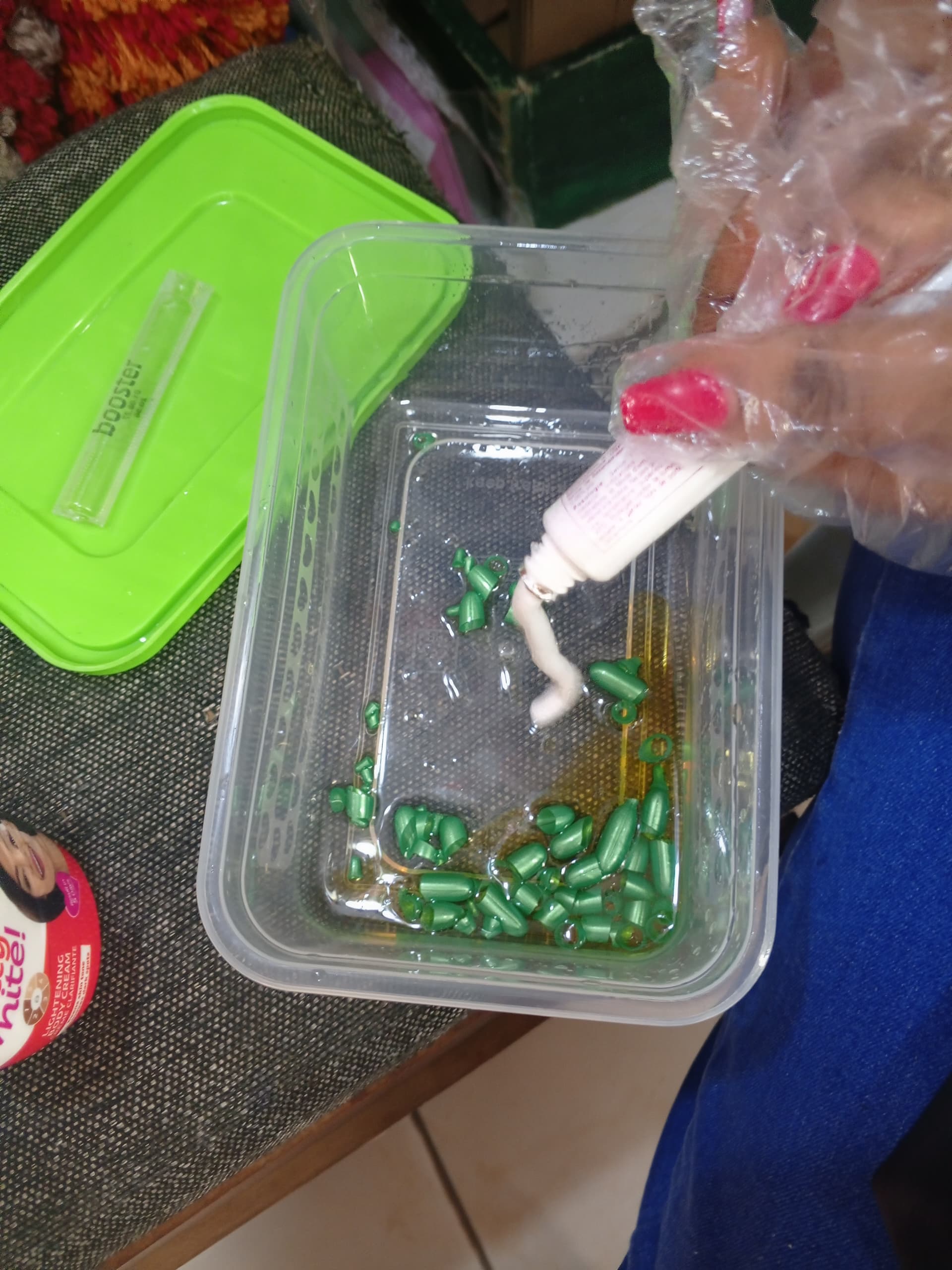
Traders in Nyamata market, located in the Bugesera District of Rwanda, are actively mixing and selling skin-lightening creams that promise dramatic changes in complexion within a week. According to an investigation by KT Press, a vendor offered to prepare a custom mixture for a customer, quoting an initial price of Rwf15,000 ($11). After negotiations, the trader accepted Rwf13,500 ($9) to mix the cream, which she warned could cause damage to the hands and feet. The transaction highlights how the trade has survived a national prohibition by altering product names, packaging, and sales methods.
The investigation began after reporters observed individuals with significantly altered skin tones who admitted to using creams advertised on social media. One trader, who declined to discuss ingredients over the phone, invited the reporter to his shop. There, he displayed products labeled with terms such as Whitening, Brightening, Clear Skin, and Eclaircissant. He explained that a mixture containing hydroquinone could yield results quickly but acknowledged potential side effects. The reporter filmed the trader combining creams, boosters, vitamins, glycerine, and a substance he identified as Diproson, which he claimed prevented allergic reactions. The customer was instructed to apply the mixture twice daily.
Health consequences of these products are severe and documented. KT Press reported the experience of a woman who began using these mixtures after giving birth in 2020. Over six years, she tried products from five different traders, resulting in dark, hardened fingers, discoloured feet, and white patches between her digits. She noted that one mixture caused discolouration, and subsequent attempts to switch to creams imported from Burundi led to uneven skin shades. Despite other users reporting no issues, her condition remained unhealed.
Rwanda banned skin-bleaching products in 2013 and intensified its campaign against their sale in 2018. However, enforcement faces challenges as traders disguise products with benign labels and sell them through social media platforms like WhatsApp, Instagram, and TikTok. In May 2025, police seized 689 bottles of skin-damaging products from three individuals in Kigali, which had been imported from the Democratic Republic of Congo. The Rwanda Food and Drugs Authority has listed over 130 prohibited creams containing hydroquinone, steroids, or mercury. Dermatologist Dr Alice Amani Uwajeni stated that changing product names does not make them safe, as the harmful substances remain present.