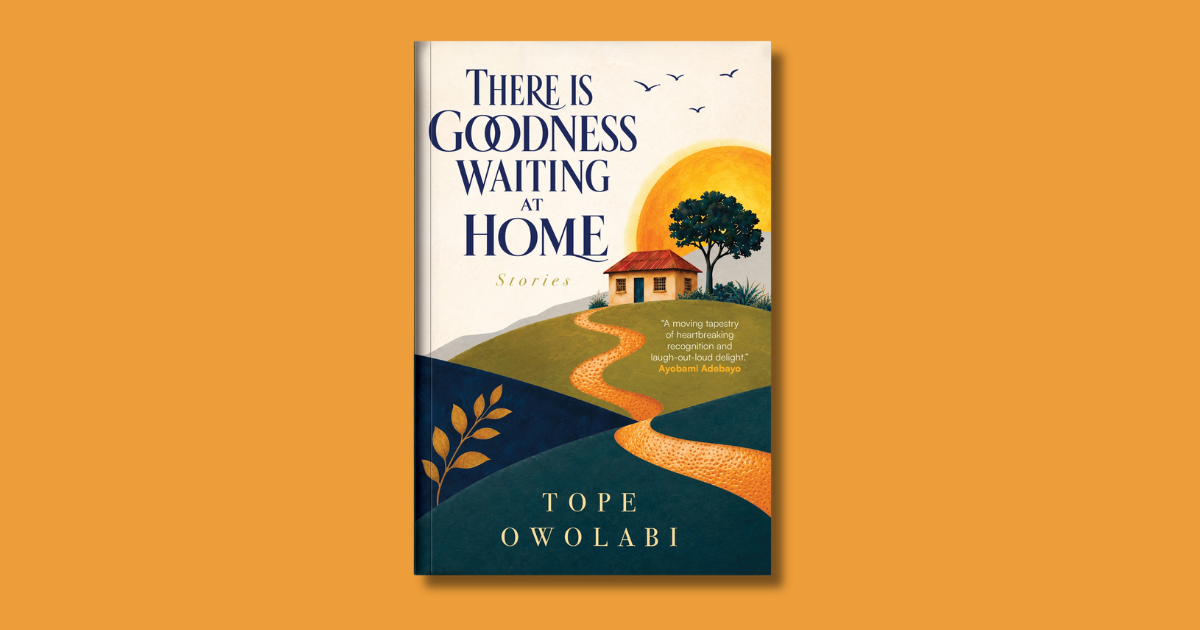
Brittle Paper has released a new excerpt from Tope Owolabi’s novel, There Is Goodness Waiting at Home, offering a detailed look into the domestic life of a Nigerian couple residing in London. The passage centers on Sunmibare, who experiences a sudden intuition that something is wrong with her husband, Ibayomi, while shopping at a Sainsbury’s Local on Acton High Road. This moment of unease serves as the entry point for a broader exploration of their relationship and their adjustment to life in the United Kingdom.
The excerpt traces the couple’s history from their early marriage in Lagos to their relocation to London. In their initial years, Ibayomi was depicted as a devoted partner who took charge of cooking, preparing complex Nigerian dishes while Sunmibare managed other aspects of the household. However, the dynamic shifted as they moved to the UK, where Ibayomi pursued an MBA at the London Business School. The narrative highlights the practical challenges they faced, including cramped living conditions in their first flat and Sunmibare’s job search, where she adopted a racially ambiguous name to improve her chances of securing interviews.
A significant portion of the excerpt addresses the influence of Ibayomi’s mother, whose critical nature caused Sunmibare to feel scrutinized and undervalued. The mother’s preference for traditional gender roles often clashed with Sunmibare’s modern sensibilities, leading to a decision to move to the UK to escape constant mediation. The text describes how the couple integrated into London society, attending a non-denominational church and navigating the local education system for their children. They established routines that included weekend walks in public parks and shopping at major supermarkets, blending their Nigerian heritage with their new British environment.
The excerpt also touches on the couple’s evolving family structure, including the birth of their second child, Ife, and the adjustments required to balance work and parenting. Sunmibare’s career progressed from part-time work as an estate agent to full-time employment, while Ibayomi secured a position at a consulting firm. The narrative concludes with the couple finding a sense of stability and control in their London life, contrasting it with the perceived pressures of their previous existence in Lagos. This literary piece provides an intimate portrayal of the immigrant experience, focusing on the subtle negotiations of identity and belonging.