According to a report published by Hespress English, the European Bank for Reconstruction and Development (EBRD) has detailed Morocco’s rapid industrial evolution. The bank notes that the nation is strengthening its status as a primary exporter of automobiles while simultaneously entering the markets for drone technology and artificial intelligence. This shift marks a significant departure from the country’s earlier economic profile, which relied heavily on traditional industries.
The EBRD data indicates that automotive shipments now represent roughly 13 percent of all Moroccan exports. This figure stands in stark contrast to the period before 2010, when such trade was minimal. The bank identified several policy tools that facilitated this growth, including special economic zones, tax incentives, and workforce development programs. These initiatives provided preferential access to European markets, drawing in major global manufacturers. Renault established a facility in 2012, followed by Stellantis in 2019. Their presence helped cultivate a network of over 250 local suppliers, moving production beyond simple wiring harnesses to complex components and complete vehicles.
Current strategies aim to integrate electric vehicle supply chains into this existing framework. Chinese firms focused on battery materials have set up processing plants in the kingdom, seeking to leverage these operations for access to American and European buyers. This move builds upon the foundational expertise gained in producing small cars and pickup trucks over the last decade.
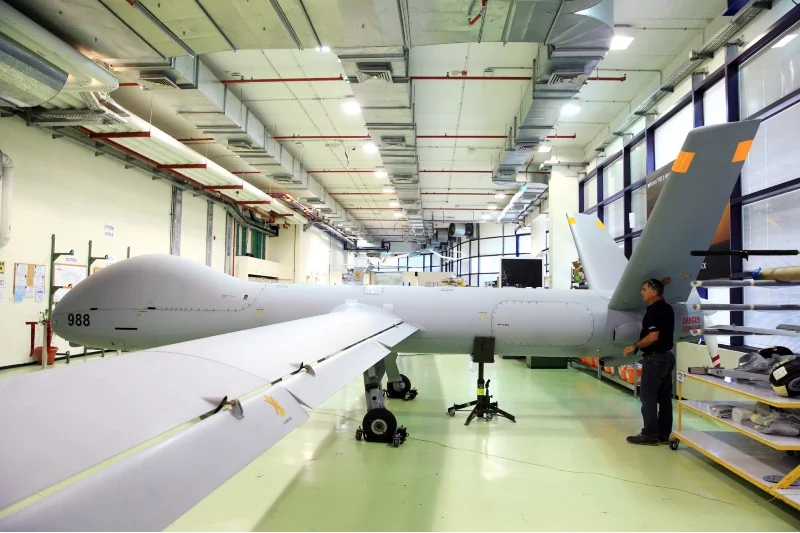
The report also highlights a surge in drone-related exports. Shipments of components for unmanned aerial vehicles rose by 60 percent in 2024 compared to the average annual volume recorded between 2019 and 2021. This growth trajectory mirrors trends observed in Slovenia and Slovakia. Additionally, Morocco is positioned to benefit from broader African initiatives to expand artificial intelligence infrastructure. A partnership between Casava Technologies and Nvidia aims to establish AI factories across five nations, including Morocco, to meet rising computing demands.
Despite these industrial successes, the EBRD’s 2026 assessment assigned Morocco a competitiveness score of 4.12 out of 10. The country ranked 30th in competitiveness and 22nd in economic integration among 41 evaluated economies. Governance scored higher at 5.97, while the green economy received a 5.34. These figures suggest that while manufacturing output has increased, structural challenges remain in maintaining global competitive parity.