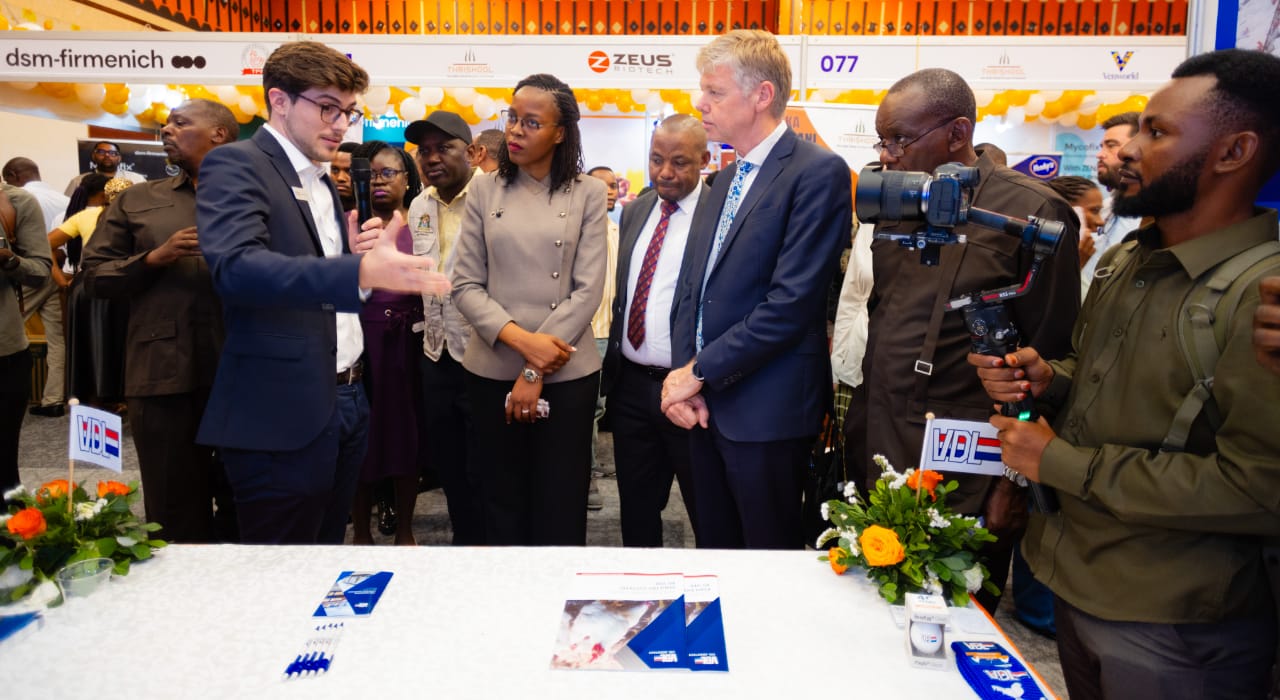
The Netherlands Embassy in Tanzania has pledged continued support for the country’s livestock sector, focusing on the execution of a long-term national development plan. According to Daily News, Onno Koopmans, the deputy ambassador, made this commitment during the launch of a two-day business forum in Dar es Salaam. He explained that the diplomatic mission intends to strengthen ties with local authorities to address specific hurdles faced by farmers, including access to nutrition, housing, and innovative technologies. Koopmans highlighted the rapid expansion of the sector’s exhibition, which grew from eight to eighteen booths within a year, as evidence of the industry’s growing importance.
Ng’wasi Damas Kamani, the deputy minister for livestock and fisheries, noted that the forum aligns with the recent introduction of the National Poultry Development Strategy for 2026 and 2036. This framework was unveiled in Dodoma in August. Kamani described poultry keeping as a strategic economic driver rather than just a subsistence activity. She reported that 55 percent of agricultural households, totaling over four million, maintain poultry. The sector currently adds 1.8 percent to the national GDP, a value exceeding five trillion Tanzanian Shillings, and represents between 30 and 40 percent of total livestock output.
The strategy sets ambitious targets for 2036, aiming to raise the sector’s share of GDP to three percent. Production goals include boosting annual egg output from 7.1 billion to 17.3 billion units and increasing meat production from 156,000 to 380,000 tonnes. Chick output is expected to rise from 104 million to 250 million. To sustain these levels, the industry must manufacture roughly three million tonnes of feed each year. Kamani stated that achieving these milestones requires 3.53 trillion Tanzanian Shillings in investment over the decade, with the private sector covering 60 percent of the cost.
Sufian Kyarua, secretary general of the Poultry Association of Tanzania, observed that the event drew exhibitors from nations including South Africa, Kenya, and Nigeria. He identified high production costs, feed shortages, and limited financing as primary obstacles for local farmers. The partnership with the Netherlands aims to mitigate these issues by sharing technical expertise and accelerating the value chain.