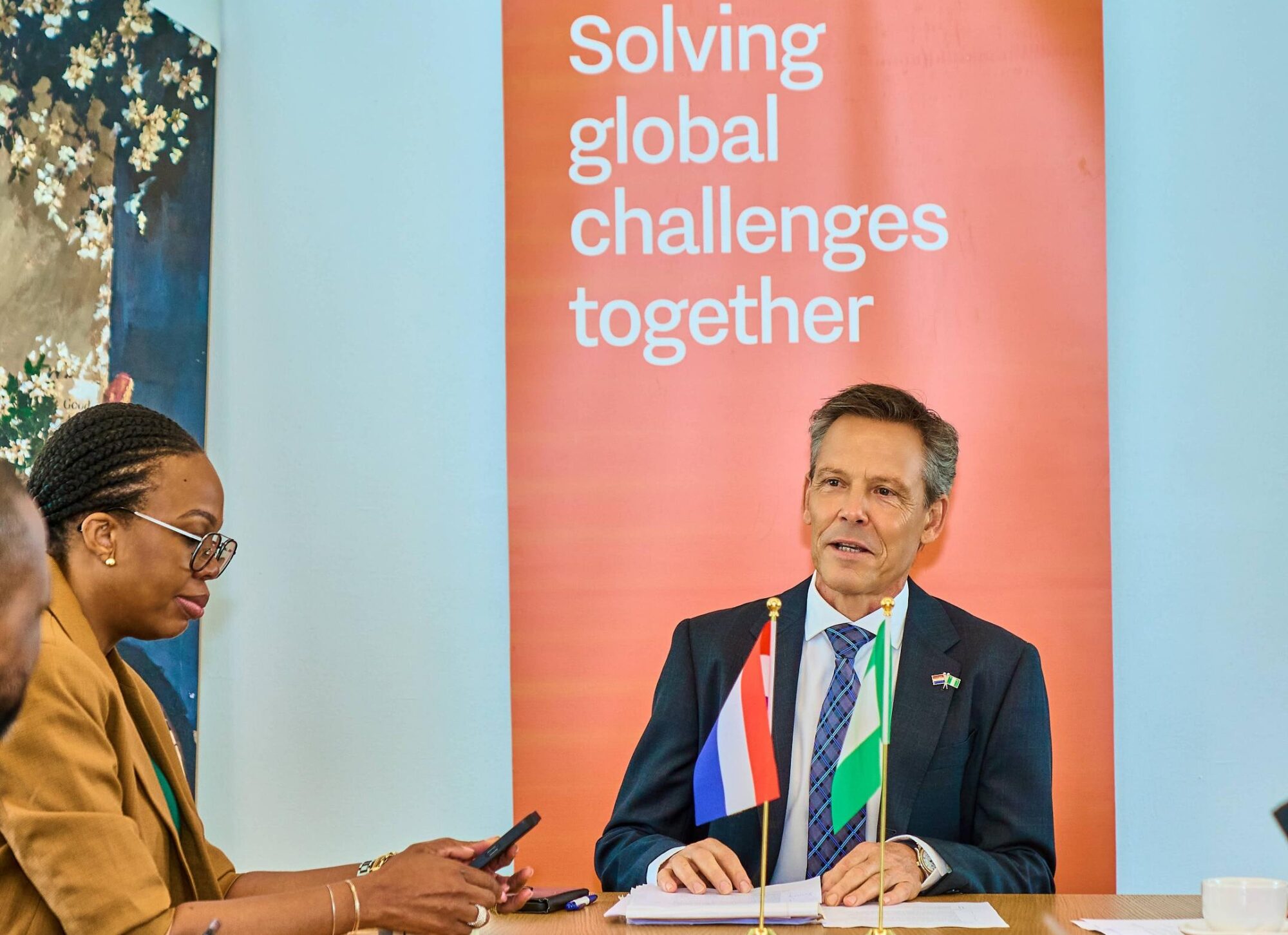
Dutch enterprises operating in Nigeria are experiencing a notable improvement in their business environment, driven by greater stability in the foreign exchange market. Bukola Lucas Kolajo, the Economic and Trade Adviser at the Netherlands Consulate in Lagos, stated that previous currency fluctuations had severely hampered operations for major firms such as KLM, Heineken, and FrieslandCampina. During the period of instability, these companies were often forced to borrow from their parent entities to maintain local operations, according to Nairametrics. The situation has since shifted, with Kolajo noting that the Central Bank of Nigeria has settled outstanding payments to airlines, allowing them to resume normal activities.
Despite the easing of currency pressures, significant regulatory hurdles remain. Kolajo identified customs procedures and multiple taxation as persistent challenges. While she noted that engagement with the Nigeria Customs Service has improved, with officials showing more willingness to address trade barriers, the issue of multiple taxation remains unresolved. Discussions between the Dutch Embassy and Nigeria’s Ministry of Finance are ongoing to address this specific grievance. The Consul General in Lagos, Frank Keurhorst, emphasized that while Nigeria remains an attractive investment destination, businesses require a predictable economic environment and a reliable legal system for resolving commercial disputes.
Economic ties between the two nations are substantial, with Dutch companies creating more than 20,000 direct and indirect jobs through partnerships with local entities. In the agricultural sector, the Netherlands has invested approximately €47 million in recent years, training over 70,000 farmers in horticulture and vegetable production. This initiative focuses on providing seeds and materials that can withstand climate change and pests. Keurhorst also highlighted the Orange Corners incubation programme, which has supported 280 startups and created approximately 3,000 verified jobs, alongside the Challenge Fund for Youth Employment, which generated 28,000 jobs.
Infrastructure and energy projects are also expanding. The Netherlands is exploring opportunities in Nigeria’s renewable energy market, particularly through the Polar Store initiative, which provides solar-powered cold storage for agricultural and pharmaceutical products. The technology is also expected to support irrigation, according to Nairametrics. Additionally, Dutch firms are involved in port modernisation, including a proposed investment by APM Terminals to develop Apapa Port. Waste-to-energy projects are underway, with one initiative expected to generate between 60MW and 75MW of electricity from 2,500 tonnes of waste daily, projected to supply approximately 40,000 homes, as reported by Nairametrics.