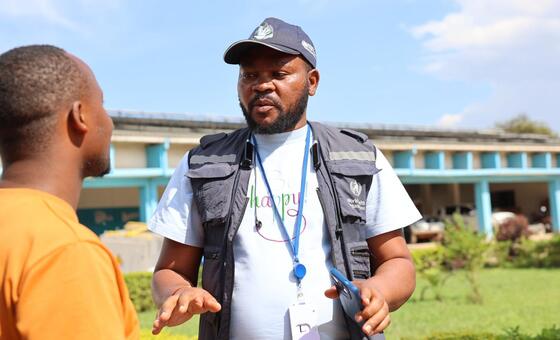
The Ebola outbreak in the Democratic Republic of Congo is continuing to spread as armed groups actively obstruct containment efforts, according to UN responders. Julien Harneis, the UN Senior Ebola Response Coordinator, stated that more people are being killed by fighters from the Allied Democratic Forces (ADF) than by the Bundibugyo virus in recent days. These attacks target villages across the south of Ituri and North Kivu provinces, creating an environment where contact tracing is considered too hazardous to pursue safely.
Dr. Chikwe Ihekweazu, Executive Director of the World Health Organization’s Health Emergencies Programme, confirmed that between 400 and 500 new infections are identified every week. While prevention efforts have significantly reduced transmission in previous hotspots such as Bunia and Mongbwalu in Ituri province, cases are emerging in rural and hard-to-reach areas. Ihekweazu highlighted the severity of the violence, noting that healthcare facilities and community members are frequent targets. He emphasized the necessity of working directly with communities and the specific groups instigating the attacks to ensure the safety of responders.
The humanitarian crisis is compounded by a broader context of violence and displacement. The World Health Organization condemned recent attacks in Cantine-Aloya, North Kivu, where 66 civilians, including three health workers, were killed and three health facilities were looted. In Tshopo province, a nurse was killed and another worker injured while responding to an alert. WHO Director-General Tedros Adhanom Ghebreyesus stressed that the crisis extends beyond the virus, noting that some community members view Ebola as a lesser evil compared to the other threats they face daily.
The outbreak, declared in May, has become the largest in the country’s history, with more than 11,000 confirmed cases and over 5,000 deaths. This health emergency is occurring alongside a severe food insecurity crisis. The UN World Food Programme warned that nearly 29 million people in the DRC face acute hunger, a number likely to rise. Jean-Martin Bauer, the WFP’s Director of Food Security and Nutrition Analysis, explained that conflict and displacement are cutting families off from their farms and livelihoods, driving up food prices and making meals unaffordable for many households.