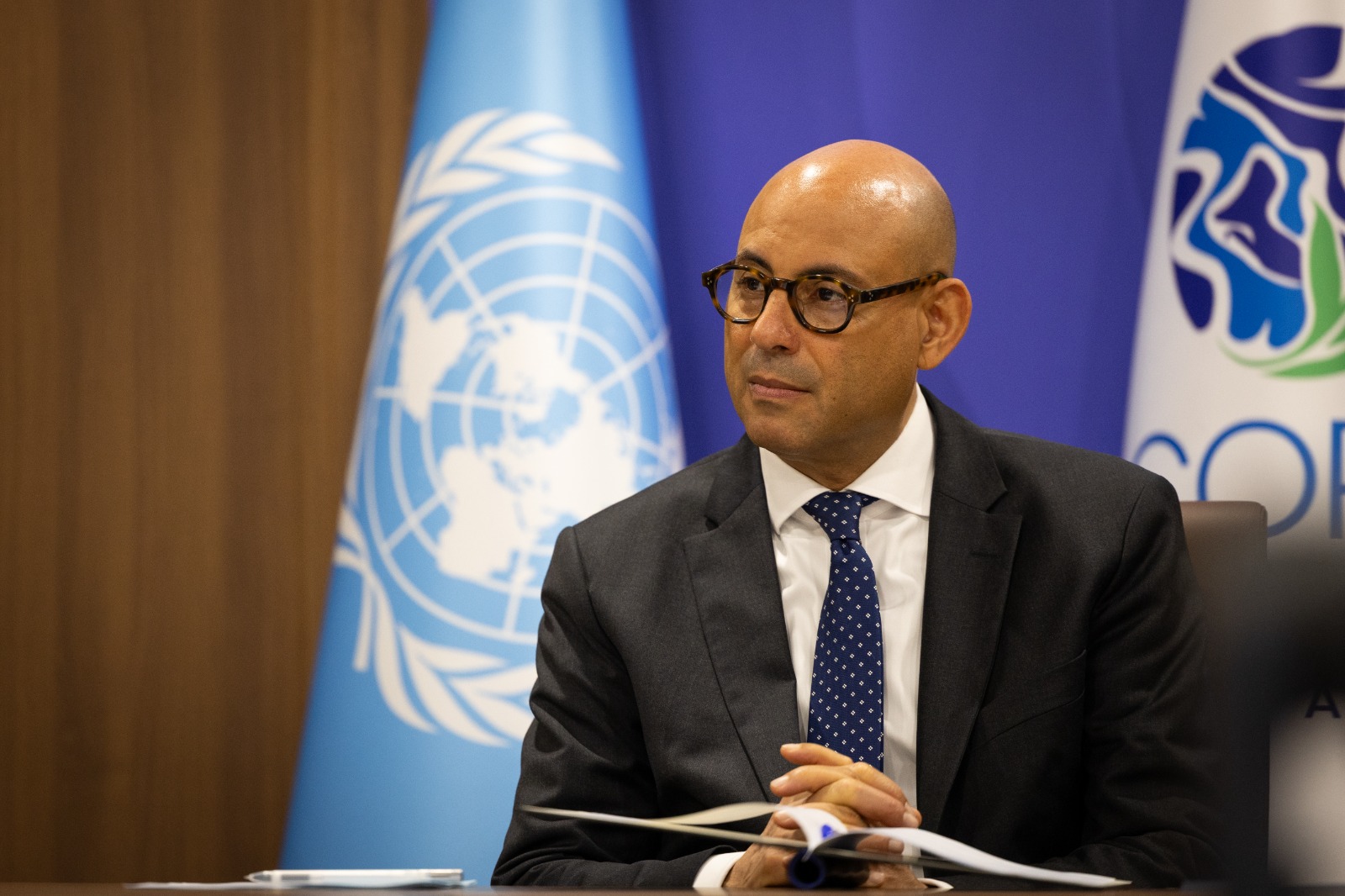
Simon Stiell, the UN climate chief, addressed the artificial intelligence sector at COP31 in Antalya, Turkey, urging technology companies to power data centres with renewable energy. He described AI as a "double-edged sword," stating that its benefits must outweigh growing environmental costs. The International Energy Agency reports that data centres consumed 415 terawatt-hours of electricity in 2024, a figure projected to more than double by 2030. Stiell warned that private gas plants built by developers do not keep emissions out of the atmosphere. He noted that communities are already opposing data centres over water usage and energy bills.
The summit is also debating a global electrification target. The COP31 Turkish presidency proposed increasing electricity's share of final energy consumption to 35% by 2035. Critics argue this overlooks African realities. Dr Chigozie Nweke-Eze of the Integrated Africa Power enterprise stated that a global increase in consumption does not automatically address affordability for disconnected populations. Approximately 600 million people in Africa lack electricity access, with half residing in Nigeria, Ethiopia, and the Democratic Republic of Congo. Nweke-Eze warned that the target could obscure inequalities between industrialized economies and developing nations still building basic infrastructure.
Negotiations remain deadlocked over climate finance and fossil fuel transitions. The second Global Stocktake, a five-yearly check on Paris Agreement progress, was launched on Wednesday. This assessment concludes in 2028, marking the last review before the 2030 deadline. Stiell stated that the countdown has already begun, noting that governments have two years to turn previous targets into real-world progress. The Intergovernmental Panel on Climate Change faces a dispute over report timing, with vulnerable countries wanting earlier completion while others argue the schedule is too compressed.
Critical minerals remain largely absent from political discussions despite being essential for clean energy infrastructure. Joan Carling of Indigenous Peoples Rights International warned that the transition will fail if minerals and indigenous peoples are not central. She noted that indigenous territories hold an estimated 54 percent of critical mineral deposits. The conference leadership reported that countries had agreed on 48 items, but about 30 mandates remained outstanding. A draft of the overarching political decision was circulated on November 16, but it remains a negotiating draft rather than a final agreement. The conference is scheduled to close on November 20.