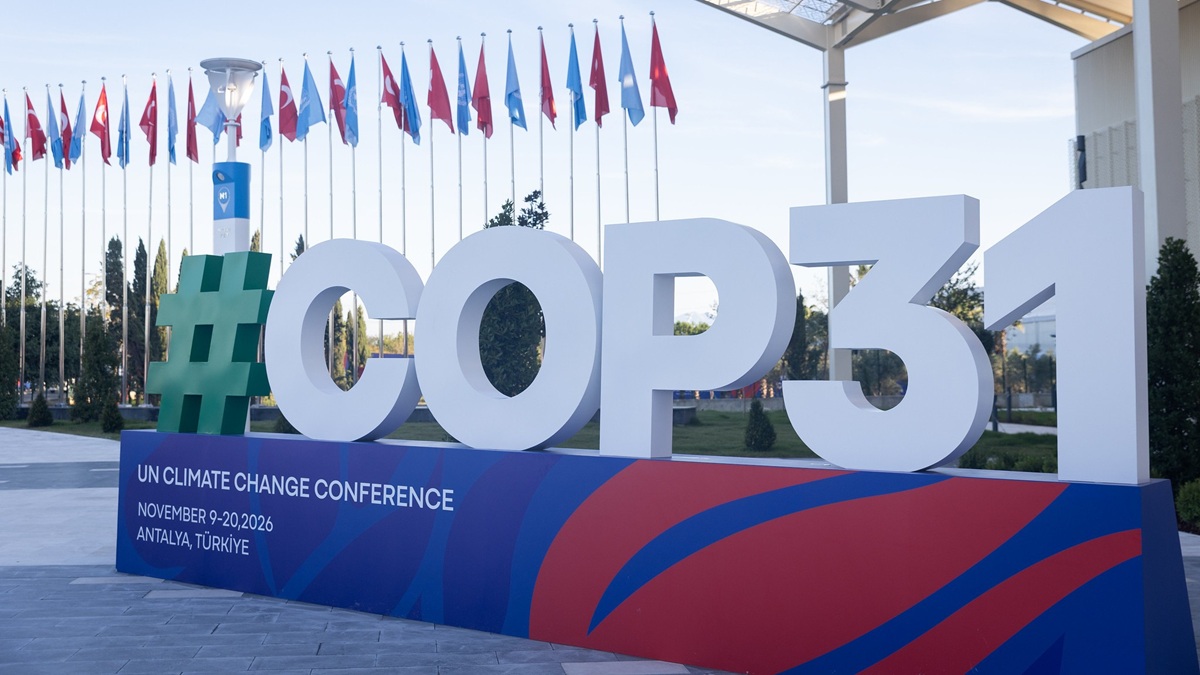
African civil society organisations, coordinated through the Pan African Climate Justice Alliance (PACJA), have warned that the COP31 climate summit in Antalya risks closing without tangible benefits for vulnerable communities. Speaking two days before the scheduled conclusion on Friday, 20 November, PACJA chair Augustine Njamnshi presented a statement titled "From Promises to Proof: Our Call in Antalya" at a press conference. The alliance argued that negotiations have exposed a widening chasm between political rhetoric and actual implementation, declaring that the climate crisis is now a crisis of delivery rather than ambition, according to Premium Times.
The intervention occurred as the COP31 presidency confirmed that 21 issues remained unresolved, with revised negotiating texts expected early Thursday. Talks have stalled over climate finance, fossil fuel phase-outs, and just transition mechanisms. A draft agreement released on Monday proposed tripling adaptation finance to at least $120 billion annually by 2035. However, Premium Times reported that neither proposal has been agreed upon, with persistent divisions among nations regarding funding levels, contributors, and whether funds should be grants rather than loans.
Greenpeace activists also staged protests at the summit, highlighting the urgency for small island nations. Hanen Keskes, political campaigns lead at Greenpeace Middle East North Africa, told the Associated Press that progress has been disappointing due to a lack of implementation. She stated that developed countries are pushing back against their obligations to provide public, fair, and accessible climate finance. This sentiment is echoed by African CSOs, who describe climate finance not as charity but as a legal and moral obligation grounded in the Paris Agreement, according to AllAfrica.
PACJA called on major emitters to specify exactly how much they will reduce fossil fuel dependence and by when, rejecting the use of flexibility clauses to justify delays. The groups emphasized that continued public financing for new oil and gas projects is inconsistent with climate leadership. As the summit approaches its end, PACJA urged governments to prioritize decisions that improve conditions for impacted communities, asserting that the credibility of COP31 will be measured by accountability and action rather than speeches or catchy headlines.