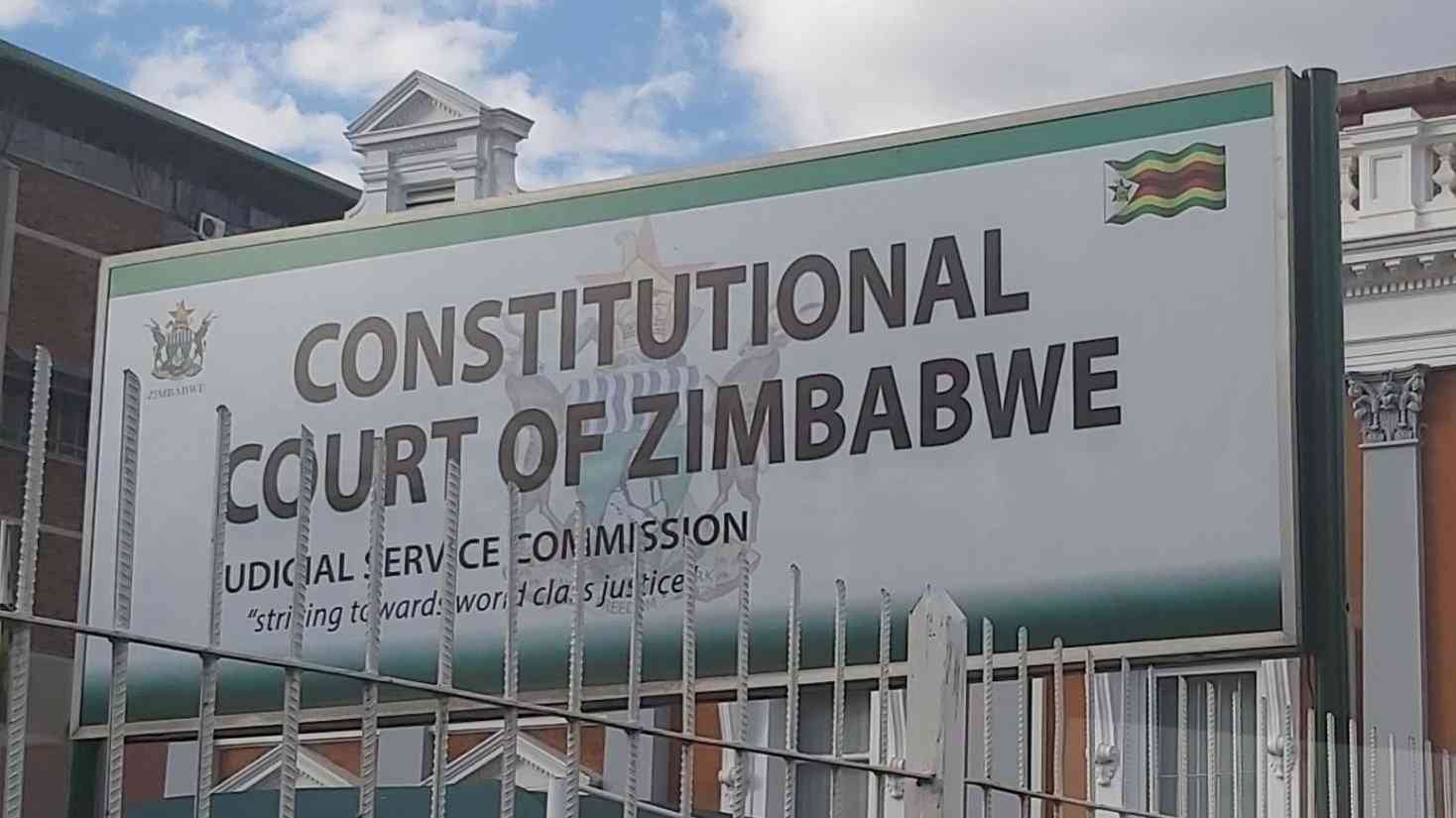
Zimbabwe's top court has reversed a lower court decision that would have added severe mental health conditions to the legal grounds for ending a pregnancy. In a ruling issued on October 14, 2026, the Constitutional Court set aside the High Court's finding that specific sections of the Termination of Pregnancy Act were unconstitutional. According to NewZimbabwe, this move keeps the existing statutory rules in place, meaning mental health is not yet a standalone reason for lawful abortion under the current law.
The case was started by the Community Working Group on Health and activist Nyasha Batitsa. They challenged the Health Minister, Justice Minister, Attorney-General, and Parliament. The applicants argued that leaving mental health out of the legal list exposed women with serious psychiatric issues to major risks, including post-partum psychosis. They also disputed how the law defines “unlawful intercourse,” claiming it ignored certain sexual conduct for women with mental disabilities. AllAfrica reported that the plaintiffs used medical evidence to show these potential harms.
Justice Bharat Patel, writing for the top court, said the High Court missed important parts of its analysis. Specifically, the lower court did not check if the limits in the law were justified under section 86(2) of the Constitution. Patel noted that finding a right is limited is not enough; judges must also decide if that limit is fair and necessary in a democratic society. The government had pushed back, claiming the existing law was broad enough to cover life-threatening conditions and that a one-size-fits-all approach to mental health was wrong.
The court also looked at whether Parliament's choice not to update the law could be challenged by judges. Patel confirmed that Parliament is bound by the Constitution, though the court chose not to review parliamentary actions directly in this case. The Termination of Pregnancy Act, passed in 1978, had not been changed much since it was first made, even though it predates the current 2013 Constitution. The court noted that new amendments were sent to the Senate but were not yet approved, making the case timely. As reported by NewZimbabwe, the court made no order as to costs, leaving the door open for future legislative or judicial challenges.