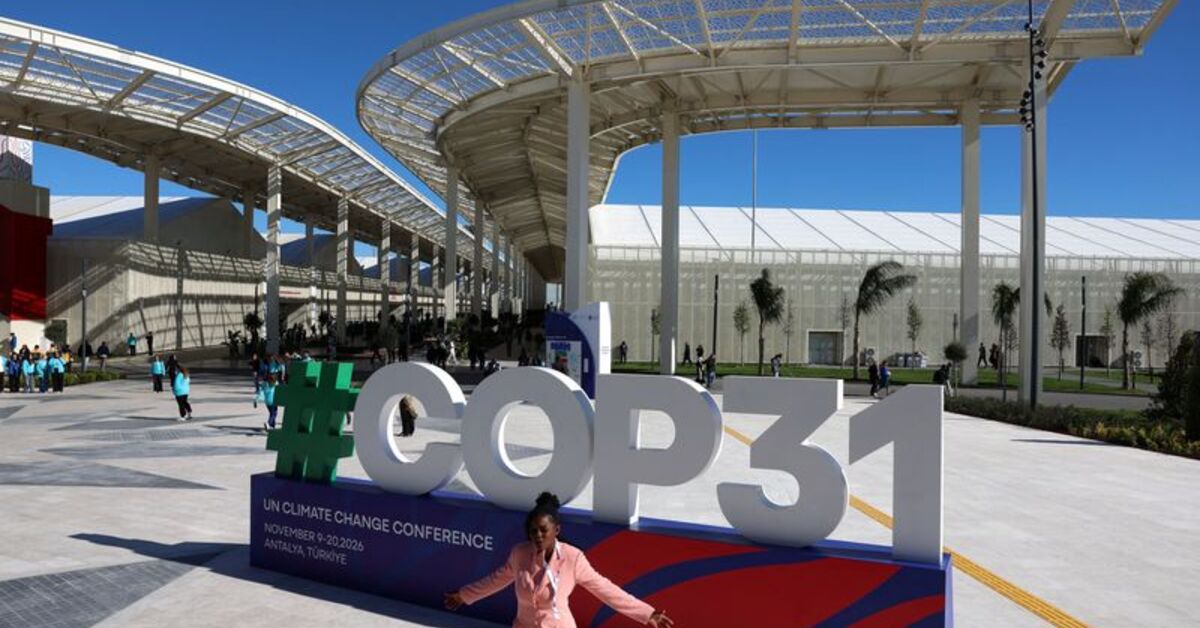
Singapore’s environment minister, Grace Fu, stated that the upcoming United Nations climate conference in Turkey is unlikely to result in significant new targets for reducing greenhouse gases. Speaking to reporters in Singapore, Fu suggested that negotiators have sufficient existing commitments under the Paris Agreement to drive progress, making implementation the primary focus of the 12-day event. According to Al-Monitor, delegations from nearly 200 countries are set to meet in Antalya for COP31, where they will negotiate on issues including electrification, temperature limits, and climate finance.
Fu acknowledged that the negotiation process faces headwinds, including energy security concerns linked to the conflict between the US, Israel, and Iran. She noted that while there is room for progress on climate adaptation, the broader multilateral system has struggled to keep pace with current geopolitical realities. Fu described the talks as fragmented, a condition she attributed in part to the United States’ decision to withdraw from the Paris pact under President Donald Trump. She observed that countries are currently more distracted than they were five years ago, when leaders were more willing to use political capital to drive solutions.
The minister’s comments align with broader criticism of the climate negotiation framework. Her Panamanian counterpart, Juan Carlos Navarro, recently argued that the requirement for unanimity allows single delegations to stall progress. Additionally, there is growing pressure to broaden the funding base, as prosperous economies like China and Middle Eastern petrostates remain classified as developing nations, which exempts them from mandatory climate financing contributions. Fu expressed frustration that leadership for drastic change is not clearly visible at this COP, suggesting that the system has not adapted to the latest geopolitical shifts.
Beyond the global conference, Singapore is addressing local environmental challenges. The city-state recently amended its transboundary haze law to grant authorities more power to penalize those responsible for wildfires in Indonesia, which caused hazardous haze in Singapore during October. Fu explained that the legal framework aims to shape business behavior by ensuring companies understand the consequences of their actions. She stated that the goal is to encourage businesses to act correctly to avoid prosecution, thereby reducing harm to both Singaporeans and Indonesians. The minister emphasized that the ultimate objective is to ensure companies do whatever is legally required to prevent transboundary environmental damage.