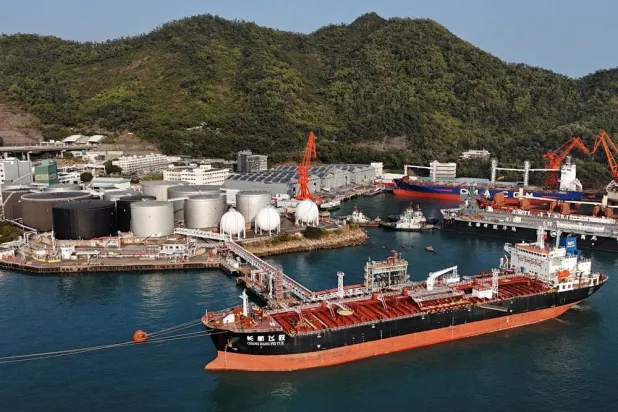
China’s shipments of refined oil products jumped by 39.4 percent year-on-year in September, according to data reported by Asharq Al-Awsat. The increase was driven by a tightening global market, where the Iran war and other conflicts have reduced output from the Middle East and Russia. Diesel deliveries specifically reached their highest level in more than three years, reflecting the shift in global supply dynamics.
The surge follows a period of domestic restriction, during which China limited outbound flows of processed fuels, such as diesel, gasoline, and jet fuel, in mid-March to protect local supplies amid Middle Eastern risks. The country subsequently relaxed these controls in mid-July, allowing for a significant increase in exports. As a major supplier of refined oil products in Asia, China’s policy adjustments have had a direct impact on regional and global fuel availability.
These developments coincide with broader deliberations at the IMF and World Bank annual gatherings in Bangkok, where officials addressed overlapping economic shocks. The International Monetary and Financial Committee warned of threats to energy and food security, noting that disruptions to critical waterways and trade routes are placing additional strain on energy-importing countries. The committee, chaired by Saudi Finance Minister Mohammed Aljadaan, highlighted that the global economy’s capacity to adjust does not remove risks associated with elevated debt levels and higher borrowing costs.
IMF Managing Director Kristalina Georgieva described the current economic landscape as a balance between "optimism and concern." She noted that while the resilience of the global economy and opportunities presented by artificial intelligence offer reasons for optimism, inflation, elevated debt levels, and wars remain major concerns. The IMF calculated that overall trade expansion would have been capped at 4.6 percent if AI-related goods were excluded, highlighting the sector's significant role in recent economic activity.
The meetings also underscored the growing importance of Asian economies, which contributed roughly 68 percent of worldwide economic growth in 2026 according to IMF figures. However, the region faces risks stemming from dependence on energy imports and the repercussions of the Middle East conflict. Policymakers stressed the need to speed up regional economic integration, cut non-tariff trade barriers, and reinforce supply chains to mitigate the impact of simultaneous shocks on growth and employment.