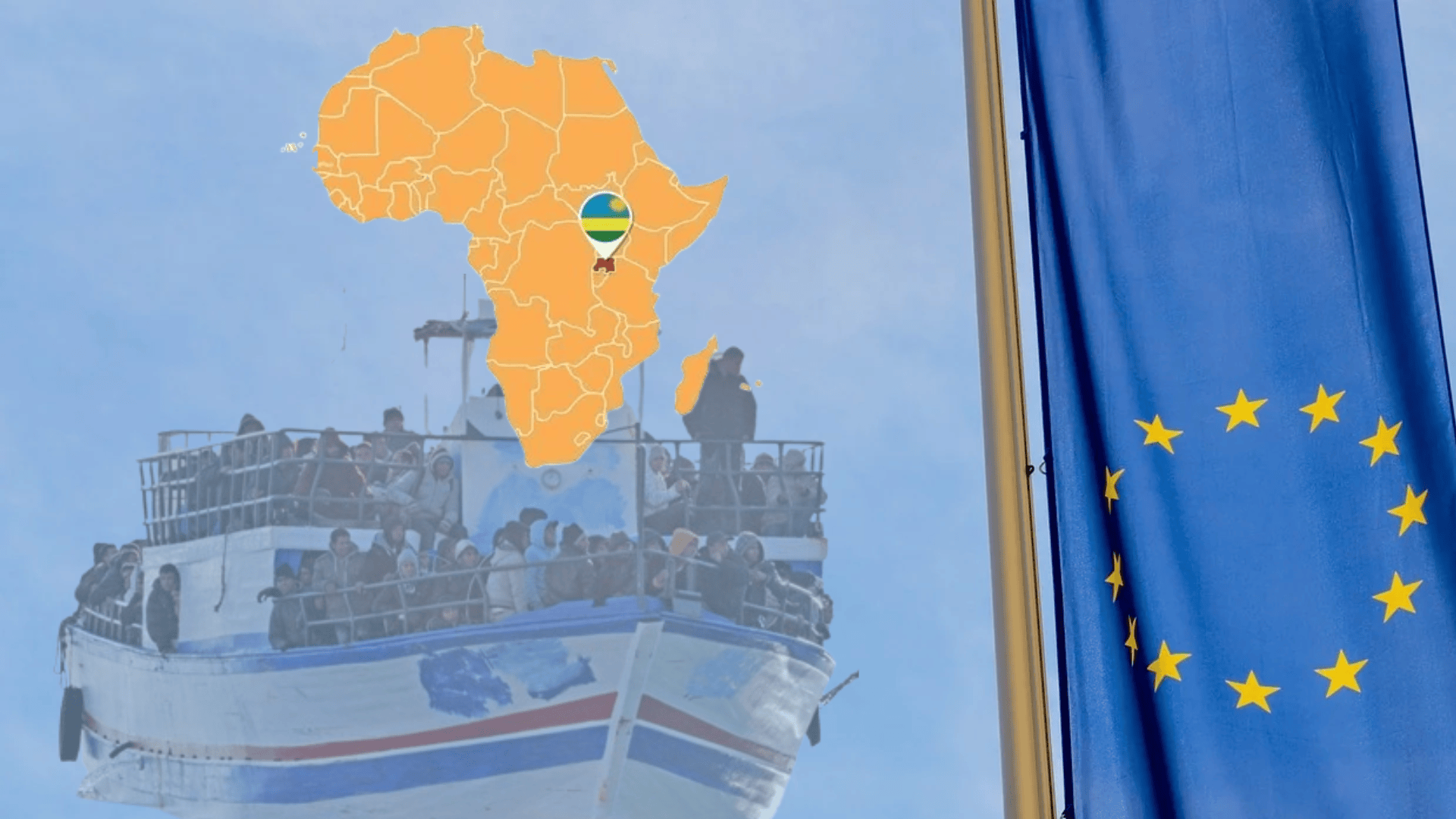
KT Press published an analysis of the partnership between Rwanda and five European Union member states to create "immigration return hubs." The report centers on a press conference in Vienna on November 16, 2026, attended by leaders from Denmark, Austria, Germany, and the Netherlands, alongside Rwanda’s Interior Minister Vincent Biruta. The publication frames this diplomatic development as a catalyst for exposing what it describes as longstanding Western hypocrisy regarding Rwanda’s domestic governance and regional security role.
The article argues that European nations have historically maintained a contradictory stance toward Kigali. According to the report, Western governments privately leverage Rwanda’s reputation for effective administration while publicly condemning it. The outlet cites the World Justice Project, which ranked Rwanda first in sub-Saharan Africa for rule of law, and the Chandler Institute of Governance, which placed it first in Africa for leadership. Despite these metrics, the report claims the country is frequently labeled "repressive" by Western entities. "Assessments included, fundamental rights, open government, civil and criminal justice," the report notes, attributing these findings to the document excerpt.
A significant portion of the analysis focuses on the geopolitical context of the Democratic Republic of Congo (DRC). KT Press asserts that the West ignores the root causes of instability in the DRC, specifically the presence of the Forces for the Liberation of Rwanda (FDLR), a group formed by perpetrators of the 1994 genocide against the Tutsi. The report states that the FDLR has been integrated into the Congolese armed forces and has launched attacks against Rwanda for decades. In response, the article claims the West imposes sanctions on the Rwanda Defence Force based on allegations that "Rwanda supports the rebel AFC/M23 rebel movement," a claim the publication presents as a distortion of Rwanda’s defensive posture.
The outlet suggests that the migration agreement will inevitably face legal challenges from lawyers arguing that Rwanda lacks human rights protections. However, the author contends these challenges ignore the reality of governance on the ground. The report quotes President Paul Kagame’s stance on existential threats, indicating that Rwanda would choose military confrontation over sanctions if its security is compromised. The article concludes by questioning how long the EU can maintain its dual approach of utilizing Rwanda’s stability for migration management while simultaneously supporting what the author describes as an ineffective DRC leadership driven by corruption and resource interests.