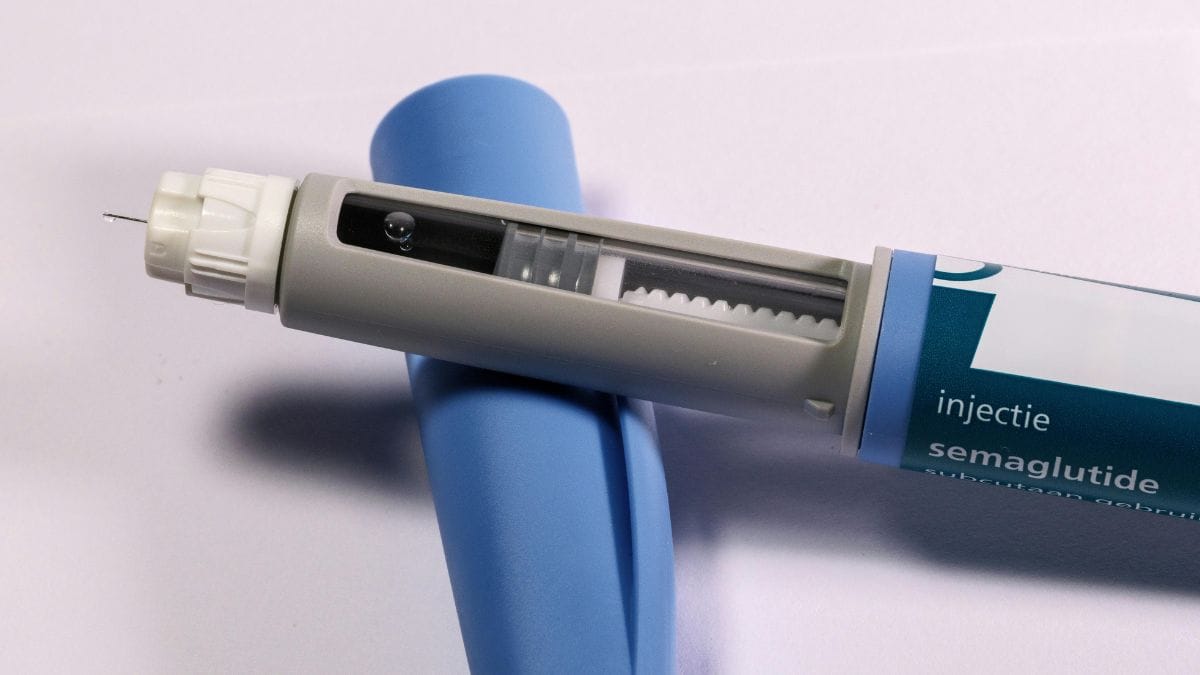
The practice of taking smaller-than-recommended doses of glucagon-like peptide-1, or GLP-1, medicines is gaining popularity among users in India, according to ThePrint. Online communities, including a Reddit group with 27,000 weekly visitors, are sharing experiences with tirzepatide and semaglutide to reduce side effects like nausea and maintain weight loss after stopping full-dose treatment. However, medical experts note that this self-directed approach, often termed microdosing, lacks a recognised clinical definition and is not an established dosing strategy.
Dr Ambrish Mithal, head of endocrinology at Max Healthcare in New Delhi, explained that patients often adjust doses to lower costs or achieve cosmetic weight goals. He distinguished medically supervised adjustments from self-experimentation, noting that doctors frequently prescribe low doses for individual tolerance, but unsupervised changes can lead to dosing errors. Dr R. Goswami of AIIMS New Delhi added that extending the interval between injections also constitutes microdosing, a practice that lacks a standard protocol compared to doses tested in clinical trials.
The primary risk of inconsistent dosing is the return of appetite and subsequent weight regain, according to ThePrint. For patients managing type 2 diabetes, erratic injection schedules can also destabilise blood sugar control. Dr V. Mohan, a diabetologist in Chennai, cited the SURMOUNT-4 trial to illustrate the importance of continued treatment. In that study, participants who switched to a placebo regained approximately 14 percent of their weight, whereas those who continued tirzepatide lost a further 5.5 percent.
While smaller doses may reduce the likelihood of severe side effects, experts warn that the cardiovascular, kidney, and liver benefits seen with standard regimens may not be replicated at very low levels. Dr Sweta Budyal of Fortis Hospital in Mumbai suggested that patients concerned about cost should consider generic versions at proper therapeutic doses rather than improvising. Dr Anoop Misra of Fortis C-DOC in New Delhi emphasised that individualised treatment, including slower dose escalation, is preferable to arbitrary dose manipulation. The consensus among the specialists is that while microdosing is not inherently dangerous, it requires medical oversight to avoid complications such as gallstones or muscle loss.