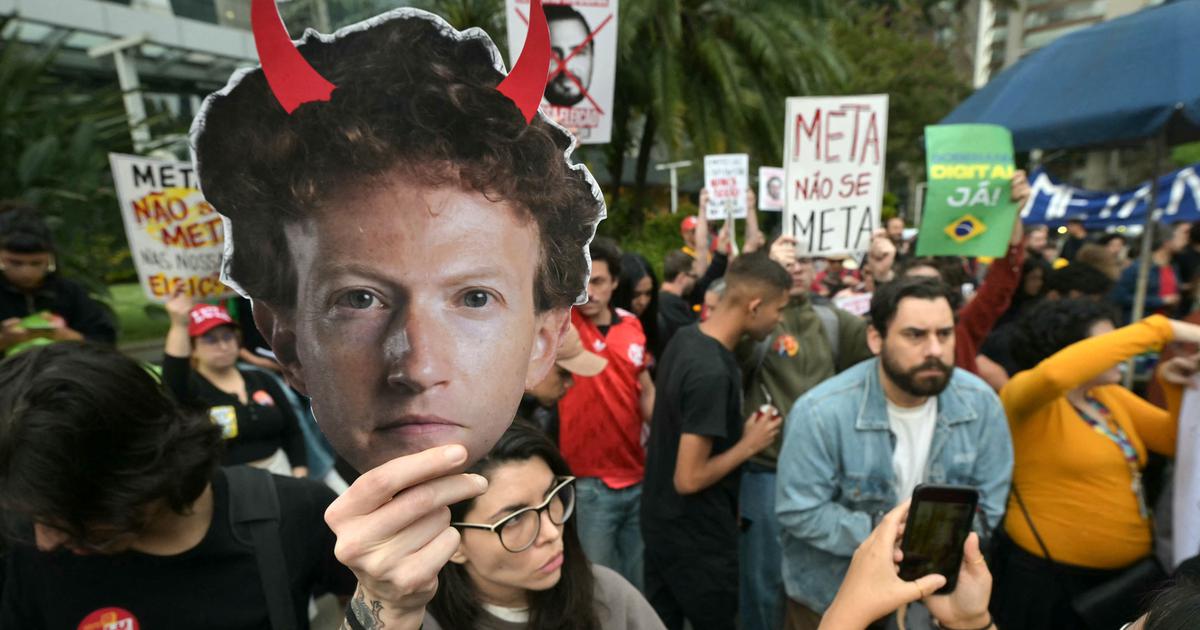
Researchers from the NetLab UFRJ research group at the Federal University of Rio de Janeiro have published findings indicating that Meta Platforms allowed significant irregularities in its handling of political advertising during the 2026 Brazilian elections. According to Scroll, the study, conducted under the "Big Tech Observatory" initiative, examined algorithmic recommendations and political ads between July and September. The researchers found that Meta received approximately R$ 2 million, or US$ 400,000, for 1,613 ads placed from outside Brazil. These advertisements, paid in foreign currencies and boosted by pages located in other countries, may have reached up to 171 million views among Brazilian users, despite local laws that typically restrict foreign cash donations to candidates.
The analysis also identified issues with the timing of ad placements. Brazilian electoral rules generally prohibit advertising from 48 hours before voting until 24 hours after, yet hundreds of ads supporting or opposing specific candidates circulated on Meta’s platforms without apparent restrictions during both rounds of the election. Additionally, the study noted the presence of fake profiles posing as official channels of the Electoral Supreme Court. These profiles promoted a concept of a "digital vote" allowing home voting, a feature that does not exist in the Brazilian system, according to the researchers.
Disparities in advertising costs were also highlighted in the report. Based on data released by Meta, NetLab UFRJ estimated that President Lula’s campaign may have paid between 33% and 43% more than the campaign of his far-right adversary, Flávio Bolsonaro, to reach the same number of users. The authors noted that limitations in Meta’s transparency policies make it difficult to determine the exact criteria used for pricing, though similar disparities have been observed in the United States, India, and the Netherlands.
Meta responded to the findings in a statement released on October 16, attributing the temporary deactivation of Lula’s campaign page to an "incorrect anti-fraud review." This review was part of an agreement with the federal government to combat fraud in public programs. However, the researchers pointed out that hundreds of fraudulent ads involving federal policies continued to circulate around the same period, suggesting the anti-fraud measures were not entirely effective. The study also cited user complaints about Meta’s AI image generation service, where content favorable to Flávio Bolsonaro was reportedly easier to generate than content supporting Lula.