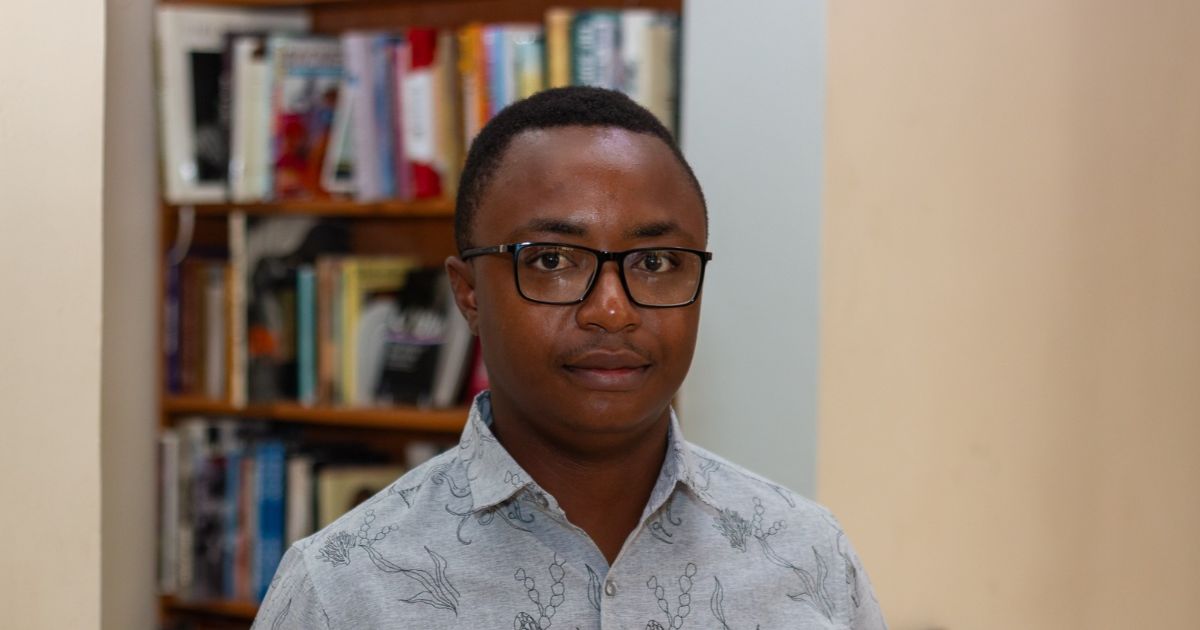
The Caine Prize for African Writing has officially cleared Zimbabwean author Simbarashe Steyn Kundizeza of allegations that he used artificial intelligence to write his winning story. The prize announced on November 11 that its investigation found no evidence of generative AI use, reaffirming Kundizeza’s status as the 2026 winner for his short story "The Blue Fighter." The decision concludes a five-week period of intense scrutiny that began shortly after his initial announcement on October 6, according to Brittle Paper.
The controversy ignited when Canadian journalist Vauhini Vara published an article in The Atlantic on October 11. Vara questioned whether Kundizeza had used AI tools, citing circumstantial evidence and an AI detector. The article prompted immediate backlash, with commentators criticizing the journalistic standards and raising concerns about scrutiny of Global South writers. The Caine Prize initiated a formal review of the allegations on October 11, as noted in a document excerpt reported by Brittle Paper.
Kundizeza responded to the accusations on October 13, issuing a detailed public statement challenging the claims. The Caine Prize’s investigation involved a cyber-forensic analysis, an examination of drafts, and interviews with the author and editor. The prize board, administered by the UK-registered charity Africa ’95, concluded that the evidence did not support the allegations. The investigation process was disclosed in the same report by Brittle Paper.
In an interview with Brittle Paper, Kundizeza described the ordeal as a "crash course" in the attention the prize attracts. He revealed he first learned of the allegations while attending his sister’s wedding, when his literary agent contacted him. Kundizeza criticized the journalist’s approach, noting she contacted his agency and the prize before reaching out to him directly. He argued the journalist’s methods lacked good faith and that the burden of proof was insidious.
The controversy has sparked broader discussions within the literary community about technology and creative integrity. Kundizeza noted that accusing a writer of AI use is more dangerous than plagiarism because it relies on perceived scientific neutrality. The Caine Prize’s decision to uphold the win sets a precedent for handling similar allegations. The author remains in Harare, navigating the aftermath of the controversy.