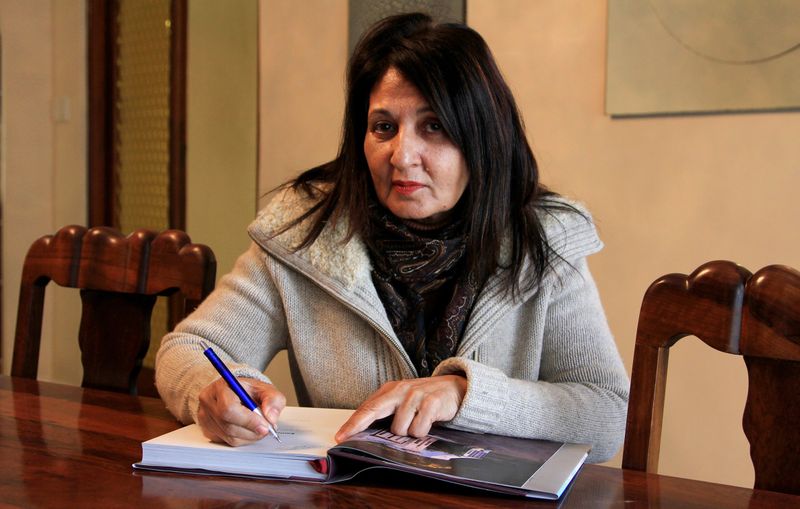
Sydda Essop, author of the cookbook Karoo Kitchen, died in 2024 after a long battle with cancer, according to a profile published by the Daily Maverick. The article, originally sourced from Karoo Space, serves as a retrospective on Essop’s life and her contribution to documenting the culinary history of South Africa’s Central Karoo region. Her book, first published in 2012, is now out of circulation after two print runs.
Essop began her journey into culinary anthropology in 2007. She sold her home in Cape Town and traveled across the Karoo in a Nissan Navara to interview residents about their food traditions. She sought to understand how people prepared meals on limited budgets and how local hospitality shaped community bonds. The Daily Maverick described her book as a "perfect symphony of interesting food and immersive storytelling."
The project was supported by Cecyl Esau, a former head of uMkhonto weSizwe and mentor at the Institute for Justice and Reconciliation. Esau encouraged Essop to view her work as a social document, providing her with a digital recorder to capture the voices of those she interviewed. Essop also credited Quivertree Publications, specifically Craig Fraser and Libby Doyle, for recognizing the value of her collective approach to publishing. She noted that she needed editors who understood the project was a communal effort.
Essop’s research included interviews with a diverse range of residents, from boer families to farmworkers and recent migrants. She recorded recipes and personal histories from individuals with Dutch, French Huguenot, English, Greek, Portuguese, Xhosa, and Malay surnames. One notable interview was with a Somali woman living in a settlement in Beaufort West, whose story of resilience highlighted the transformative power of community. Essop also documented traditional remedies and specific local dishes, such as stuffed springbok loin and lamb curry.
Her father, Solly Essop, was a well-known anti-apartheid activist and retailer in Beaufort West. Growing up in his household, which hosted prominent political figures including Nelson Mandela, Essop developed an early interest in social justice. She later studied art at the University of Cape Town and founded The Karoo Gender Forum to support women and children. Her mother, Amina Essop, contributed recipes and memories of her journey from India to the Karoo, adding another layer to the book’s narrative of cultural convergence.