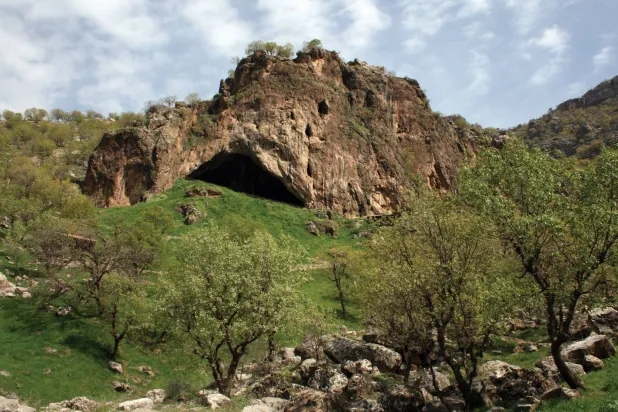
A partial skeleton recovered from Shanidar Cave in Iraq’s Kurdistan region offers new insight into the social lives of Neanderthals. Asharq Al-Awsat reports that the remains, designated Shanidar A, date to approximately 75,000 years ago and were excavated from beneath 7.5 meters of rock and sediment. The individual, who was in their mid-40s, displayed a circular 15-millimeter hole in the left scapula, indicating a deep penetrating injury.
According to the publication, the study’s authors determined that the wound likely resulted from a sharpened wooden spear rather than a stone-tipped projectile. Emma Pomeroy, a biological anthropologist at the University of Cambridge, explained that the trajectory suggests the weapon pierced the chest cavity, potentially puncturing the heart. This hunting strategy, known as a "heart shot," allowed for the rapid killing of large mammals. Graeme Barker, a co-author who has directed excavations at the site since 2015, suggested that interpersonal conflict between rival Neanderthal groups was the most probable cause of the fatal blow.
Beyond the fatal chest wound, Shanidar A’s teeth revealed signs of a previous, nonfatal injury to the face. At least one year before death, a blow to the mouth had shattered and displaced the front teeth. Pomeroy noted that this trauma would have made eating and drinking difficult, suggesting the individual required assistance from group members. The researchers posited that the group likely provided mashed food and rest to help the injured Neanderthal recover.
Shanidar A was buried with four other Neanderthals behind a rock pillar, a cluster that dates to a similar time period. The cave, overlooking the Great Zab river valley, served as a seasonal campsite for tens of thousands of years. Pomeroy argued that the juxtaposition of severe trauma and subsequent care challenges older stereotypes of Neanderthals as unintelligent or uncaring. She stated that the find demonstrates these ancient humans possessed both aggressive and compassionate traits, similar to modern humans.