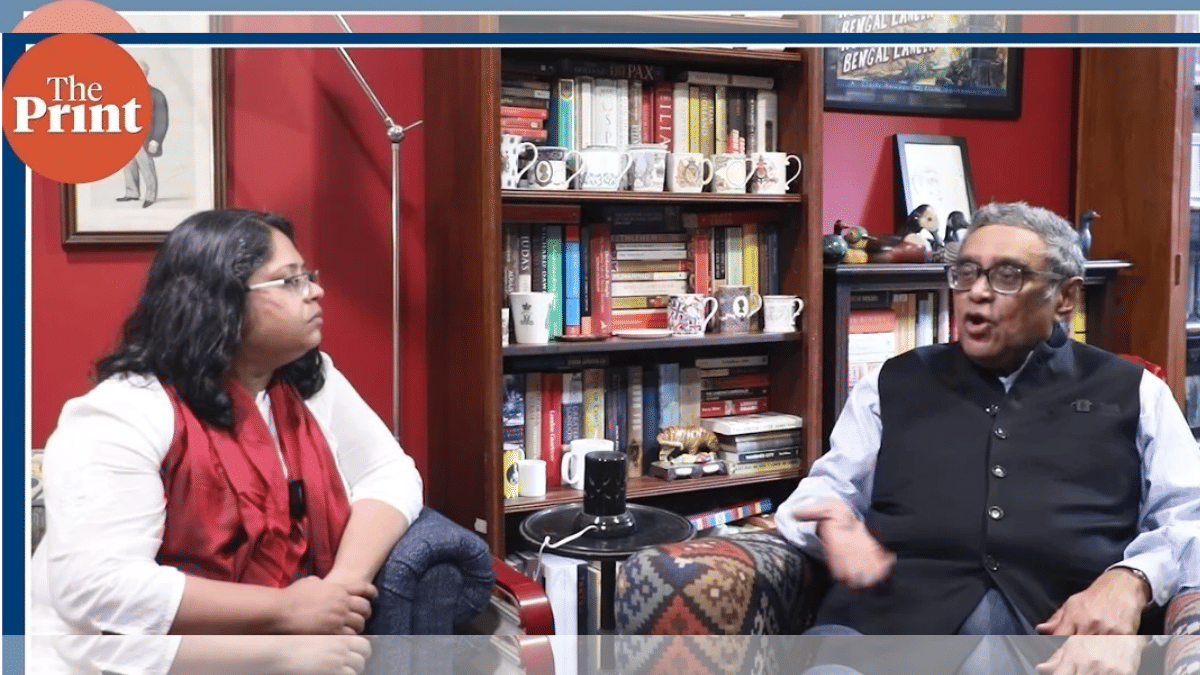
The West Bengal government is preparing legislative changes to dismantle complex land tenancy laws and the Urban Land Ceiling Act, citing them as major obstacles to attracting investment. State Finance Minister Swapan Dasgupta told ThePrint that these regulations, including post-1947 refugee tenancy rules and sharecropping arrangements, have become obsolete impediments to growth. The government intends to repeal these laws to facilitate the transfer of agricultural land and open up opportunities for industrial development.
Dasgupta stated that the Urban Land Ceiling Act will be repealed with prospective effect, though the government is currently assessing the modalities to address entangled legal cases. These legislative shifts accompany the new investment promotion policy unveiled by Chief Minister Suvendu Adhikari on 5 November. The finance minister noted that the current land bank is sufficient to sustain industries for approximately two years, but pressure will mount thereafter. To address long-term needs, the government plans to disinvest from sick Public Sector Undertakings (PSUs) to free up large tracts of land, persuading the central government to abandon these units for better use.
Addressing the state’s fiscal health, Dasgupta acknowledged that West Bengal’s public finances are in poor shape, with a debt of Rs 8 lakh crore. He distinguished the state’s position from Maharashtra’s, describing West Bengal as a startup requiring immediate shoring up of revenue collection and loophole closure. The government aims to enhance revenue without raising taxes, focusing on structured governance to replace what Dasgupta described as chaos and governance by whimsy. This reconstruction includes addressing grievances of state employees and teachers regarding ad hoc and contractual issues.
Despite limited fiscal headroom, Dasgupta asserted that industrial incentives announced in the new policy will not strain finances immediately. He expects investors to arrive sporadically rather than in a huge rush, hoping for a dramatic iconic investment to change the scenario. The state is targeting commitments in services, real estate, and hospitality, with significant interest in data centres. Dasgupta emphasized that the principal purpose of the policy is to signal that West Bengal is back as a viable investment destination, while simultaneously addressing larger political tasks to restore normal functioning.