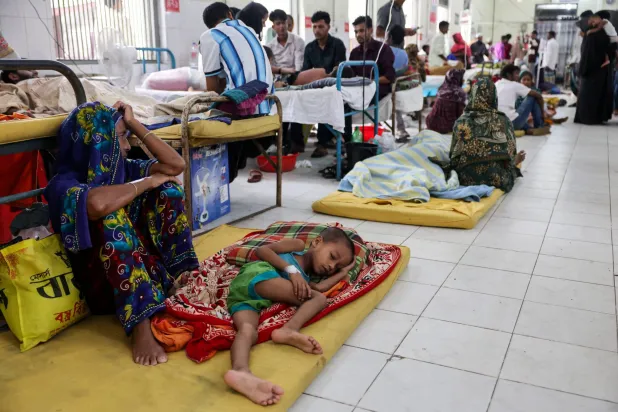
Bangladesh is currently grappling with the most significant measles outbreak globally, a crisis that health experts describe as a critical warning for other nations facing declining immunization rates. According to the World Health Organization, the country recorded 202,000 suspected cases and 22,000 laboratory-confirmed cases between mid-March and October 9. The outbreak has claimed 1,147 lives, with 94% of those deaths occurring among children under five years old. Reuters noted that these figures surpass the suspected case counts of any other country this year.
The surge in infections follows a decline in routine vaccination coverage, which fell to 90% for the first dose in 2025, down from 96% in 2024. This drop occurred amidst political turmoil that disrupted health worker schedules and delayed vaccine orders. A review of World Health Organization documents by Reuters revealed that the emergency response was hampered by data that excluded millions of children and by a rushed preparation phase. The government opted for a single round of readiness checks instead of the standard four, a decision that left logistical gaps in remote areas.
In the Sylhet region, one of the hardest-hit areas, families reported that health workers often arrived only after children had died. Ziauddin Hyder, a special assistant to the Prime Minister, acknowledged a gap in the target list, noting that a separate health intervention in June identified four million more children than the measles campaign had. He attributed the missed vaccinations to parental hesitancy and child illnesses, though the government has since launched a new campaign targeting 3.4 million previously missed children.
Mark Jit, a World Health Organization vaccine adviser, stated that preventing outbreaks through routine vaccination is more cost-effective than managing emergencies. He warned that while the current response will eventually stop the outbreak, many children will have already contracted the disease. The challenge is compounded by the fact that up to 40% of children in Bangladesh remain unregistered in official statistics, making it difficult to ensure every child receives the necessary doses.