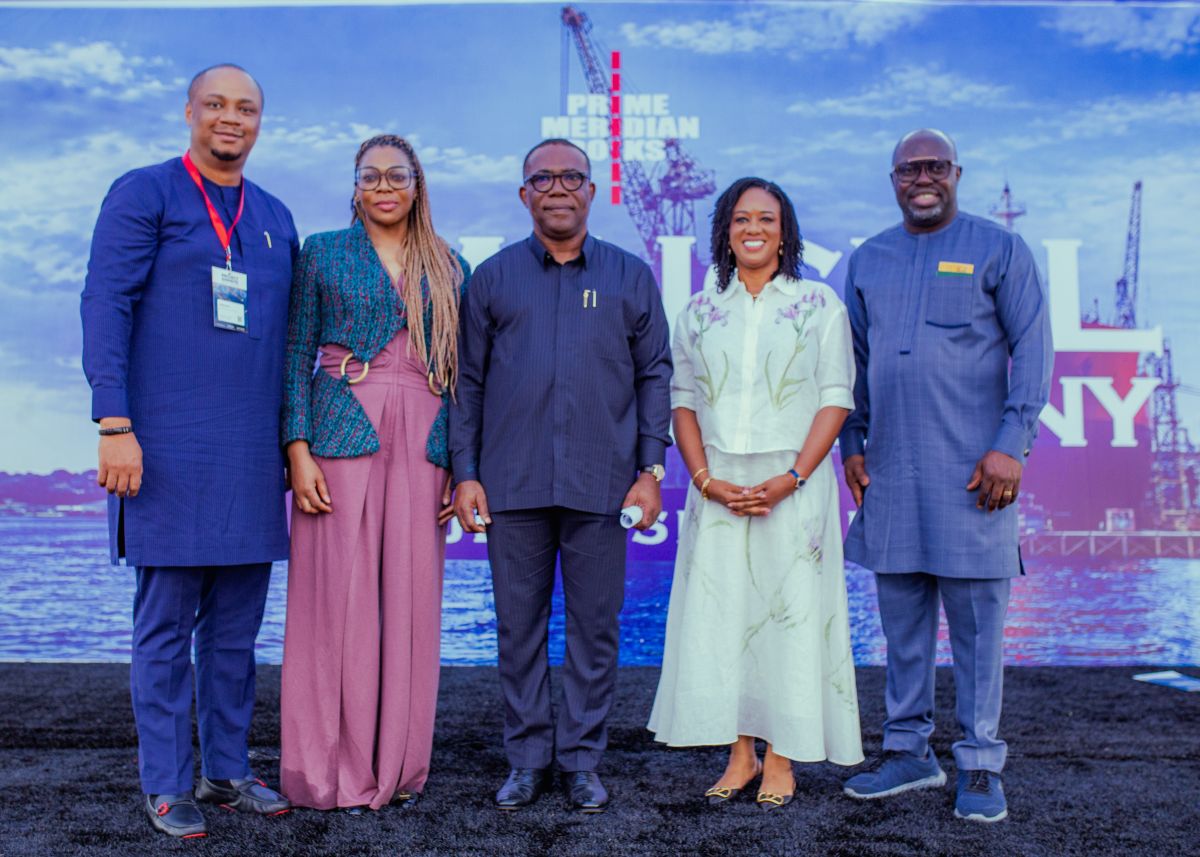
ARM-Harith Infrastructure Investment Limited has announced the successful financial close of Project Shiprite, a major maritime infrastructure development located at the Port of Takoradi in Ghana. According to Nairametrics, the initiative operates under a twenty-five-year concession from the Ghana Ports and Harbours Authority. The project establishes a floating drydock designed to enhance regional shipping logistics. The facility features a thirteen-thousand-five-hundred-tonne lift capacity, a two-hundred-metre jetty, and comprehensive workshop spaces. These assets will provide maintenance services to vessels navigating the Gulf of Guinea.
Historically, ships in West African waters have depended on European and Asian shipyards for repairs. This reliance has caused significant operational delays, increased costs, and capital outflow from the region. Project Shiprite addresses this gap by offering local repair services. This approach improves efficiency for operators and retains economic value within the continent. The project is supported by one hundred and thirty-seven million dollars in total capital. This includes a ninety-four million dollar syndicated senior debt facility led by Afreximbank, with participation from the African Development Bank, Eastern & Southern Africa Trade and Development Bank, and Petra Pension Schemes.
ARM-Harith served as an equity investor from the initial development stages through to financial close. Rachel Moré-Oshodi, Managing Director and CEO of ARM-Harith, stated in a document excerpt reported by Nairametrics that "For us, Shiprite reflects exactly that, and why ARM-Harith exists." She highlighted the persistence required to structure the bankable infrastructure platform. Stanley R. K. Ahorlu, Lead Sponsor and CEO of Prime Meridian Docks, described the financial close as a significant milestone. He noted that the project will create local employment and support businesses in Ghana’s Western Region.
Beyond commercial value, the project is expected to generate up to four hundred and thirty direct jobs over the concession period. Thirty percent of these roles are anticipated to be filled by women. Approximately ten percent of revenues will support local subcontractors. The facility is also projected to reduce carbon dioxide emissions by approximately two point two million metric tonnes over its life. These environmental benefits stem from improved vessel operating efficiency and reduced fuel consumption for serviced ships.