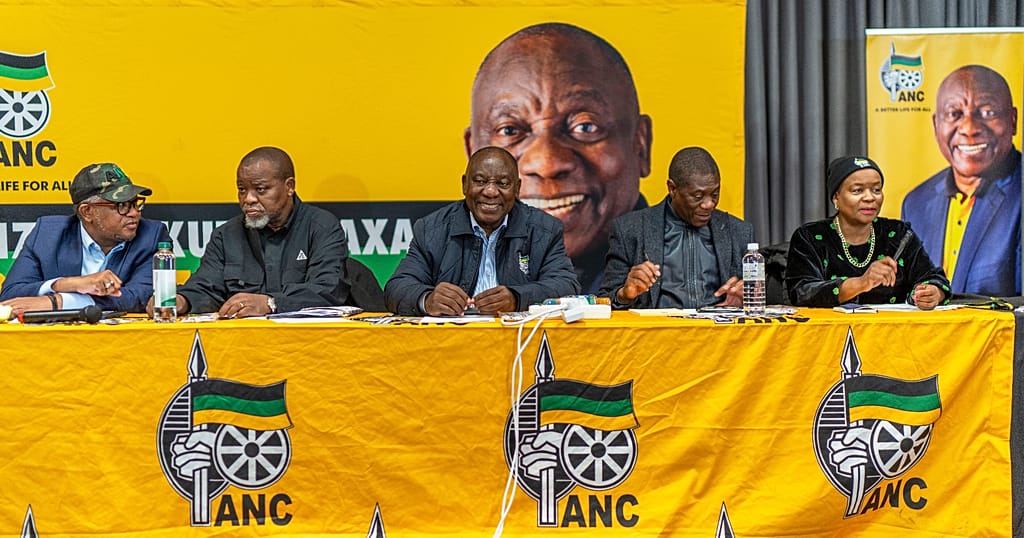
The African National Congress has committed to a period of "soul-searching" following a significant decline in its electoral support during South Africa’s recent local government elections. According to Africanews, the party’s vote share fell by 15 percentage points to reach just 31 percent. This result marks the worst performance in the party’s history, as it once commanded a 70 percent majority with no serious challengers. The leadership met on Thursday at a special National Executive Committee meeting to discuss the path forward.
Amidst rumors circulating in the media, national spokesperson Mahlengi Bhengu-Motsiri stated that President Cyril Ramaphosa will not resign. She addressed the speculation directly, noting that claims of his resignation offer were fabricated. "The ANC performance, this local government elections requires a proper reflection today," she said, according to Africanews. The spokesperson urged the public to disregard unverified reports and focus on the party’s internal review process.
The secretary-general of the ANC described the election outcome as "catastrophic" for the ruling party. This defeat follows a trend of declining support that began two years ago when the party lost its parliamentary majority in a national election, securing only 40 percent of the vote. Since then, supporters have continued to desert the organization. The party has historically attributed its challenges to the difficulties of reversing nearly half a century of apartheid laws and centuries of colonialism. However, current voter dissatisfaction is driven by immediate service delivery failures.
Communities across South Africa are currently facing severe infrastructure crises, including electricity shortages, broken water and sewage systems, and uncollected garbage. Millions of residents live in shacks due to a housing shortage. These issues have eroded public trust in the government’s ability to provide basic services. To remain in local government, the ANC must now engage with other political parties to form coalition governments in municipalities where no single party secured an outright majority. The National Executive Committee will receive reports on these initial engagements and consider a mandate for the party’s negotiations team.