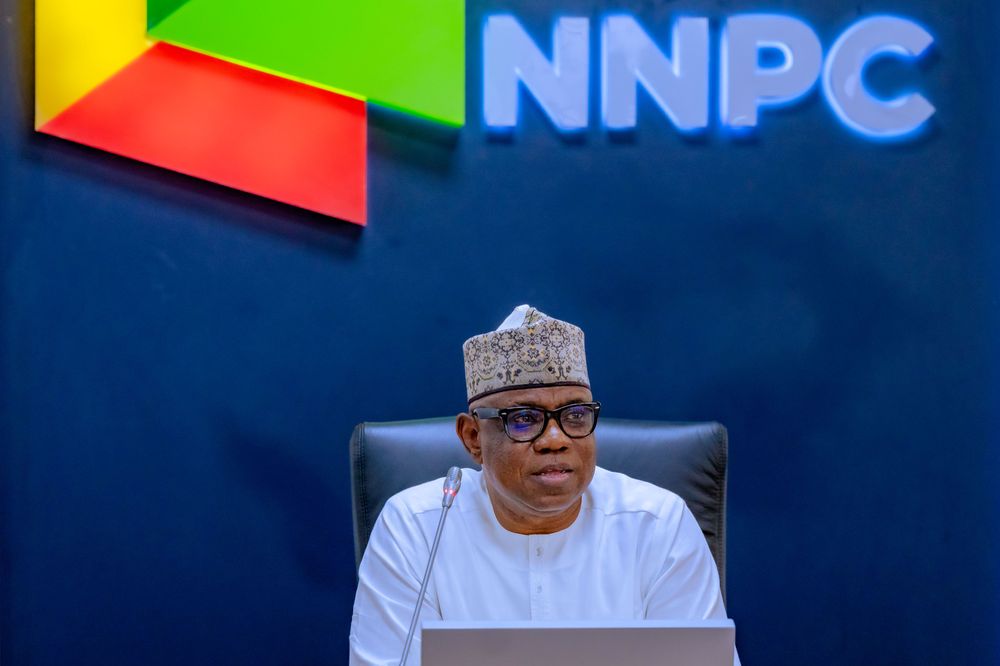
The Nigerian National Petroleum Company Limited (NNPC Ltd.) announced that the mainline of the Ajaokuta-Kaduna-Kano (AKK) Gas Pipeline is 95 per cent complete. Premium Times reported that Group Chief Executive Officer Bashir Ojulari stated the remaining five per cent involves finishing auxiliary stations and connecting the main pipeline to end-users. The 614-kilometre infrastructure runs from Kogi State through Kaduna to Kano.
Ojulari told the News Agency of Nigeria that the company aims to deliver gas to Abuja before the end of 2026 to support power generation and industrial hubs. Supplies to Kaduna and Kano are scheduled for 2027. He explained that the completed mainline serves as a backbone, making it easier to extend the network to cities like Maiduguri and Sokoto compared to transporting gas from Port Harcourt.
AllAfrica reported that the NNPC raised $1.5 billion to finance the project based solely on projected pipeline throughput. This financing model demonstrates the potential of gas transportation infrastructure to attract capital based on anticipated commercial flows rather than relying exclusively on government-backed funding. The investment underscores the strategic importance of the pipeline in expanding domestic gas access.
Despite the progress, a dispute has emerged regarding land acquisition. A.B. Janruwa Enterprises, a Kano-based manufacturer, has demanded compensation for more than four hectares of land in the Chalawa Industrial Area. According to Premium Times, the company stated that contractors began fencing the property, which had been earmarked for a factory expansion expected to create over 2,000 jobs. The firm claims it received no formal notification or compensation arrangements before the work began.
Abdullahi Hashim, the company’s manager, told Premium Times that while the business supports industrial development, affected entities should not bear the costs alone. He described the situation as a matter of justice, noting the shock of discovering physical activities on the land without prior agreement. The dispute highlights broader concerns about the protection of landowners' rights during large-scale infrastructure acquisitions in Nigeria.