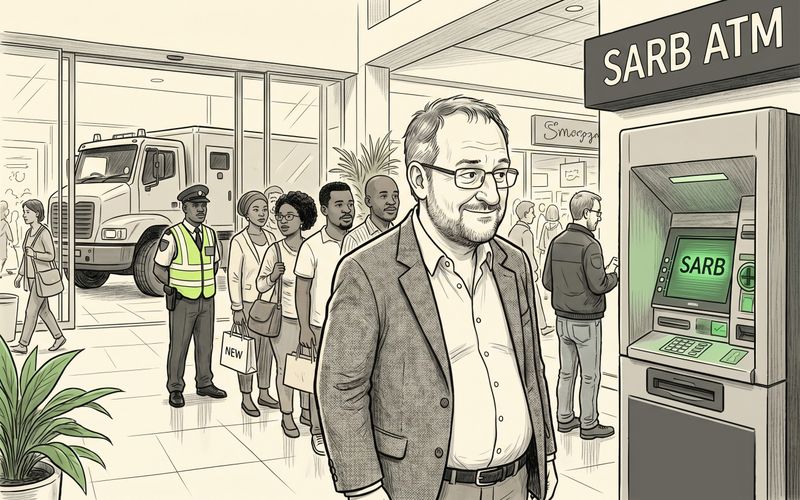
The South African Reserve Bank is preparing to establish a new cash management company that will assume control of the nation's automated teller machine network. According to Daily Maverick, this initiative represents the most significant structural change to the ATM industry since the technology was first introduced in 1977. The move aims to address long-standing issues regarding the geographic distribution of cash access and the cost of withdrawals for consumers across the country.
Under the proposed model, commercial banks that currently own and operate individual ATM machines will transfer their assets to the new Reserve Bank-backed entity. Daily Maverick reports that these banks will receive compensation or equity shares in the new company in exchange for their machines. The primary objective is to ensure that cash is available in areas where it is most needed, particularly in regions that have historically been underserved due to lower foot traffic or higher security costs. This approach seeks to decouple ATM placement from individual bank marketing strategies, which often favored high-traffic, affluent shopping centers over poorer neighborhoods.
The transition will also impact consumer costs and machine aesthetics. Daily Maverick notes that the new system aims to reduce the average cost of cash withdrawals by spreading operational expenses across all users nationwide. Currently, banks use revenue from high-usage locations to subsidize machines in less profitable areas, but the new centralized model intends to make this process more efficient. Additionally, the uniform branding of the new network will replace the distinct colors and logos of individual banks, potentially resulting in a more standardized visual presence in shopping malls and public spaces.
While the intervention is designed to improve accessibility and lower costs, it introduces new dynamics for the banking sector. The removal of the incentive for banks to expand their own ATM networks for customer acquisition may alter competitive dynamics. Daily Maverick highlights that the Reserve Bank will now be responsible for the operational management of these machines, a role that shifts responsibility from private commercial entities to a public institution. The success of the plan depends on maintaining efficient cash logistics and ensuring that the average cost of access continues to decrease for the general public.