Tanzania faces a significant disconnect between telecommunications infrastructure and device affordability, according to Daily News. While the nation has achieved near-universal 4G network coverage, most citizens lack the smartphones required to utilize these services. This disparity threatens to limit the economic benefits of technological advancements.
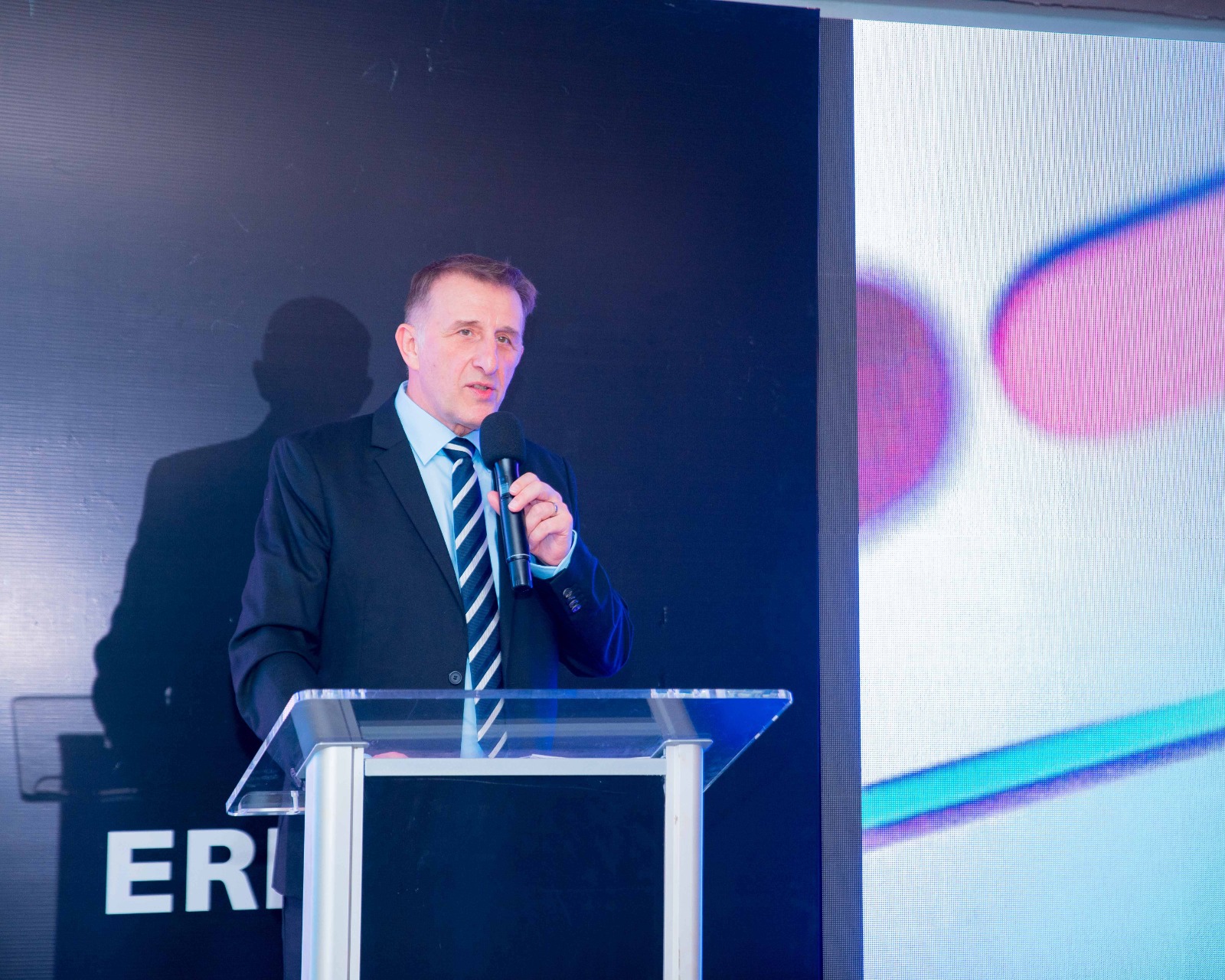
Ante Mihovilovic, Ericsson’s Vice-President for Europe, Middle East and Africa, stated Tanzania is a regional leader in telecommunications. He noted that approximately 98 percent of the population has access to 4G signals. However, he cautioned that infrastructure alone does not guarantee digital inclusion. "Only one out of three phones is a smartphone," Mihovilovic told Daily News, highlighting that the majority of users rely on basic feature phones unable to access advanced internet services.
This gap is critical as artificial intelligence integrates into education, healthcare, and agriculture. Mihovilovic argued that building data centers is insufficient if end-users cannot access AI capabilities. He emphasized that reliable networks must be paired with affordable devices to ensure digital investments benefit ordinary citizens rather than remaining confined to institutional use.
Small and medium-sized enterprises (SMEs) represent a vital frontier for digital transformation. Alain Maupin, Ericsson’s Head of East and North Africa, suggested operators develop flexible connectivity packages for smaller businesses. He noted companies like Airtel, Vodafone, and Axian have dedicated units to assist SMEs, arguing that differentiated connectivity will drive productivity as businesses rely on cloud services.
The report also addressed cybersecurity in the transition to 5G. Maupin warned that while 5G is robust, security requires continuous system updates and patches against emerging threats. He described trusted networks as requiring privacy protection and ethical conduct to safeguard sensitive information.
Dr. Nkundwe Mwasaga, Director General of the ICT Commission, underscored the need for collaboration between government and technology providers. He highlighted Tanzania’s spectrum resources, noting efficient management could improve performance. In a demonstration of emerging technology, Mwasaga delivered his keynote address using AI-powered smart glasses, marking the first public use of such technology by a Tanzanian official. Ericsson, operating in Tanzania since 2000, reaffirmed its long-term commitment to the African market.