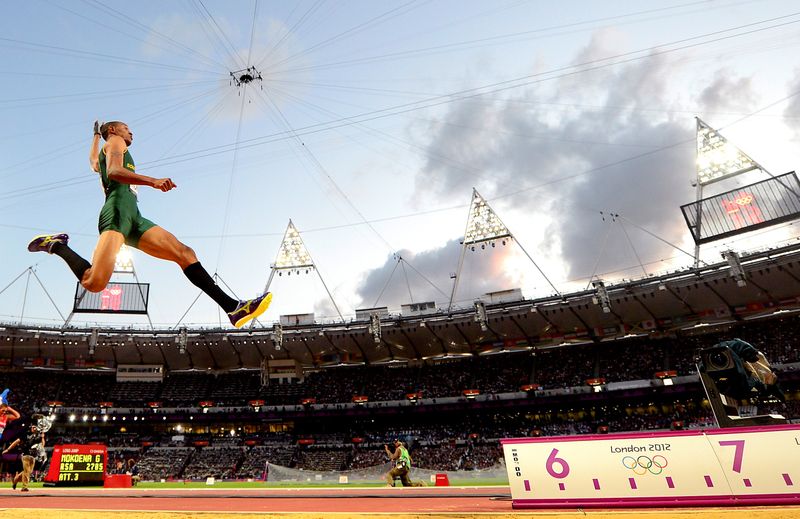
Olympic silver medallist Khotso Mokoena has firmly rejected suggestions that Sascoc’s Athletes Commission has neglected its duty to South African athletes. The rebuttal comes amidst widespread administrative turmoil within the country’s sports landscape, which has seen prominent competitors defect to other nations. Mokoena, who serves as the commission chair and sits on the Sascoc board, insisted that the body has actively championed athlete interests since its proper constitution in 2021. According to Daily Maverick, Mokoena stated that the commission has been pushing for reforms and assisting federations, even if public perception suggests otherwise.
The criticism targeting the commission has intensified following the departures of swimmer Tatjana Smith and sprinter Benjamin Richardson. Smith, who will now represent the Netherlands, and Richardson, who switched to Ireland, cited systematic administrative failures as primary reasons for their exit. Both athletes possessed dual citizenship, which facilitated their transition. Mokoena acknowledged these losses as devastating, noting that the commission has watched these processes unfold with concern. He emphasized that the commission’s mandate is to protect the welfare of athletes who make enormous sacrifices for the country.
Sport Minister Gayton McKenzie offered a different perspective on the administrative breakdown during a media briefing in Cape Town on 17 November. McKenzie stated he did not blame bodies such as South Africa Water Polo or the Comrades Marathon Association for breaking away from their parent organizations. He expressed full support for these independent bodies, arguing that athletes cannot operate under malfunctioning structures. The minister described the current state of affairs as madness, noting that he wished there were more breakaway bodies to ensure the betterment of specific sports.
Mokoena attributed the current crisis partly to a lack of resources compared to nations like the Netherlands. He argued that sport in South Africa is a significant economic driver, yet a large portion of those benefits should be directed toward athletes. To address these issues, Mokoena called for more former athletes and business-savvy individuals to take on administrative roles. He criticized the tendency to treat federations as non-profits rather than business-driven entities, urging leaders to focus on the longevity of their sports rather than their four-year terms. The commission’s primary goal remains ensuring athletes have a voice and that their concerns are protected within the sporting movement.