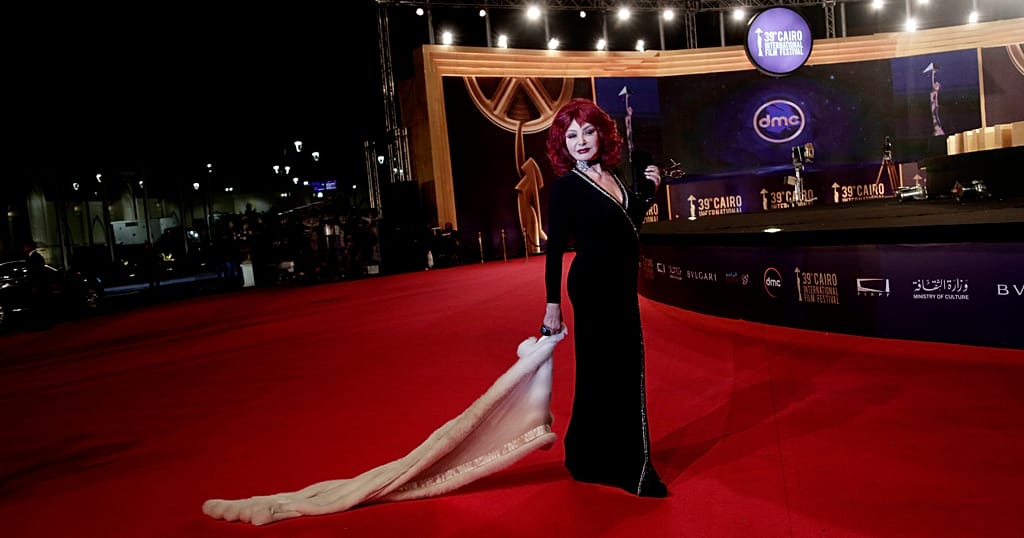
The 47th Cairo International Film Festival commenced on Wednesday in the Egyptian capital, drawing filmmakers, actors, and prominent figures from across the globe. According to Africanews, this year’s gathering is taking place under the shadow of the Middle East war. The festival is scheduled to run until 20 November, offering a platform for contemporary cinema while navigating the turbulent geopolitical landscape of the region.
The opening ceremony honoured screenwriter, poet, and producer Medhat El-Adl with a Golden Pyramid for lifetime achievement. In his remarks, El-Adl addressed the tangible economic consequences of the ongoing hostilities. He stated that the war has had a very strong impact on everything, particularly regarding audience behaviour. He explained that in conflict zones, people prioritise earning a living over going to the movie theater, often choosing to buy food rather than spend money on a cinema ticket. This shift in consumer priority has created a significant financial hurdle for exhibitors and distributors alike.
The economic strain extends beyond ticket sales to the very cost of making films. Egyptian actress Gehad Hossam told Africanews that the war is affecting the entire region, noting that the economics of the industry have been severely impacted. She described a situation where production costs have doubled, with items that once cost five Egyptian pounds now costing ten, while the market cannot absorb or cover that increase. Hossam characterised the situation as tough, highlighting the precarious financial position of producers who face rising outlays with no guarantee of recovering their investment.
Beyond financial pressures, the festival also serves as a venue for discussing artistic freedom. Film critic Tarek El-Shinnawi argued that Egypt’s film industry faces challenges related to restrictions on free speech. He called for a higher ceiling on censorship, stating that Egypt lacks a censor with a broader horizon. El-Shinnawi emphasised that a great film is defined by the freedom it offers to the creator and the ideas it carries, rather than its budget or production scale.
Festival president Hussein Fahmi framed the event as more than just entertainment. In his opening remarks, he described cinema as a record of human experience, social transformations, and historical moments. He stated that the festival aims to preserve stories and emotions for generations to come, positioning the event as a vital cultural archive amidst the current global and regional instability.